
Building a Startup Brand Identity That Lasts
Most startups get brand identity completely wrong.
They throw money at a logo, pick some colors that "feel right," and call it a day. Six months later, they're wondering why nobody remembers who they are or what they actually stand for. The problem isn't that they didn't invest in branding. The problem is they confused decoration with identity.
A startup brand identity isn't a logo or a color palette. It's the reason someone chooses you over the twelve other options that showed up in their search results. It's why customers become advocates, why talent wants to work for you, and why your company can charge what it's worth instead of racing to the bottom.
This guide breaks down what actually goes into building a startup brand identity that lasts, why most founders get it wrong, and how to do it right from the start.
What Is Startup Brand Identity and Why Should You Care?
Brand identity is the complete picture of who your company is and how it shows up in the world. For startups, this matters more than most founders realize because you don't have decades of market presence to fall back on. Every interaction either builds your reputation or erodes it.
Think about the brands you actually remember. Red Bull isn't just an energy drink. It's an entire lifestyle around pushing physical limits. Corona isn't just beer. It's outdoor relaxation and taking it easy. When you see those products, you subconsciously connect them to something larger than the thing itself.
That connection? That's what brand identity does. It takes a product or service and transforms it into something people actually care about.
For startups specifically, a strong brand identity serves three critical functions:
It commands premium pricing. When people care about your brand, they're willing to pay more. They're not just buying a product. They're buying into what you represent. This is why Bombas can charge significantly more for socks than generic alternatives. Their identity around giving back and quality has created genuine loyalty that transcends price shopping.
It creates differentiation in crowded markets. Most startups compete in spaces with plenty of alternatives. Without a distinct identity, you're just another option. A strong brand identity helps you stand out when everything else looks the same.
It attracts the right people. This goes for customers and employees. When your brand identity is clear, you naturally attract people who share your values and repel those who don't. This makes marketing more efficient and hiring less painful.
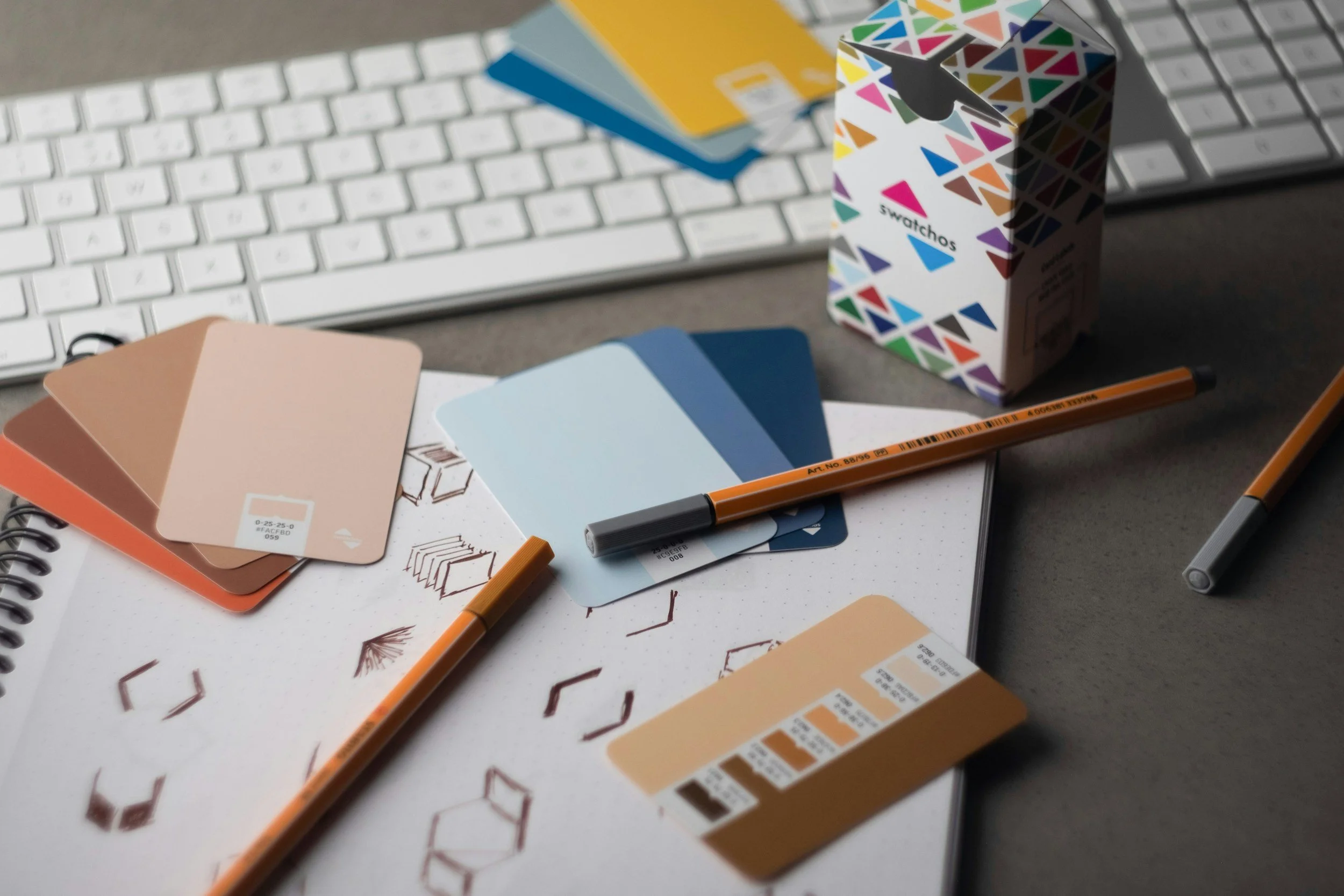
The Foundation: Understanding Your Core Before You Build
Before you touch anything visual, you need to answer some fundamental questions. Most startups skip this work because it's harder than picking fonts. That's exactly why most startup brands feel hollow.
Define What You Actually Stand For
Your brand values aren't the generic words you put on a wall. "Integrity" and "excellence" don't differentiate anyone. What specifically does your company believe that others in your space don't?
A startup beauty brand I worked with had a clear answer: they believed their loyal consumers were the heart of everything. Instead of chasing the next big thing or trying to be Olay, they stayed focused on their community. Twenty years later, their brand still resonates because that core belief informed every decision they made. They went slow, did what they did well, and built something authentic.
Ask yourself: If your company disappeared tomorrow, what would be missing from the market beyond your product features?
Identify Your Actual Audience
"Everyone" is not an audience. Neither is "millennials who like quality products." You need to get specific enough that you can picture a real person.
What are their actual problems? Not the problems you want them to have, but the ones keeping them up at night. What language do they use to describe those problems? Where do they spend their time? What do they value beyond price?
The more precisely you understand your audience, the more precisely you can craft an identity that resonates with them.
Articulate Your Positioning
Positioning is the mental real estate you want to own in your customer's mind. It's the category you compete in and your differentiated claim within that category.
The mistake most startups make is trying to be everything to everyone. They position themselves so broadly that they position themselves nowhere. According to Harvard Business Review, clear positioning is one of the strongest predictors of startup success because it focuses resources and creates memorable associations.
A strong positioning statement follows this structure: For [specific audience] who need [specific need], we are the [category] that [unique differentiator] because [reason to believe].
Building the Visual Identity: More Than Just Looking Good
Once your foundation is solid, you can start building the visual elements that will represent your brand. This is where most startups start, which is why their visual identities often feel disconnected from anything real.
Logo Design That Actually Works
Your logo needs to work across every possible application. It will appear on a phone screen, a billboard, a business card, and an invoice. It needs to be recognizable at every size and in every context.
More importantly, it needs to communicate something about who you are. Not literally. Nobody needs a picture of what you do. But it should convey the personality and positioning you established in your foundation work.
Simplicity usually wins. The most memorable logos are often the simplest. They're easy to recognize, easy to reproduce, and easy to remember.
Color Psychology and Palette Selection
Colors trigger emotional responses. This isn't woo-woo marketing theory. It's well-documented psychology. According to research, people make subconscious judgments about products within 90 seconds, and up to 90% of that assessment is based on color alone.
Choose colors that align with the emotions you want to evoke and the positioning you've established. Then be consistent with them across every touchpoint. Inconsistent color usage fragments your brand recognition.
Typography That Speaks Volumes
The fonts you choose say as much about your brand as your words do. Serif fonts convey tradition and credibility. Sans-serif fonts feel modern and clean. Script fonts suggest elegance or creativity. The wrong typography can undermine everything else you're trying to communicate.
Pick fonts that align with your brand personality and make sure they're legible across all applications. Then stick with them.
Developing Your Brand Voice and Messaging
Visual identity gets you noticed. Voice and messaging make people care. This is where startups have the biggest opportunity to differentiate because most brands sound exactly the same.
Finding Your Authentic Voice
Your brand voice should sound like a real person because it should come from real people. What's the personality of your founders? What's the culture of your team? Your voice should reflect that reality, not some manufactured corporate persona.
I worked on the Clean & Clear "See the Real Me" campaign years ago. We brought in real girls with their own stories to tell, and the message was simple: don't be afraid to be yourself. That authenticity resonated because it felt genuine, not manufactured. The brand was saying something they actually believed, not something they thought would perform well in focus groups.
Ask yourself: If your brand were a person at a dinner party, how would they talk? What would they say? What topics would light them up? What would bore them?
Messaging Architecture
Your messaging needs structure to stay consistent across channels and team members. Create a hierarchy of messages from your core brand story down to specific product claims.
Brand story: The overarching narrative of who you are and why you exist.
Key messages: The three to five main things you want people to know about you.
Proof points: Specific facts, examples, and evidence that support your key messages.
Taglines and hooks: The memorable phrases that capture attention and stick in memory.
Document all of this so everyone on your team can communicate consistently. Inconsistent messaging fragments your brand just as much as inconsistent visuals.
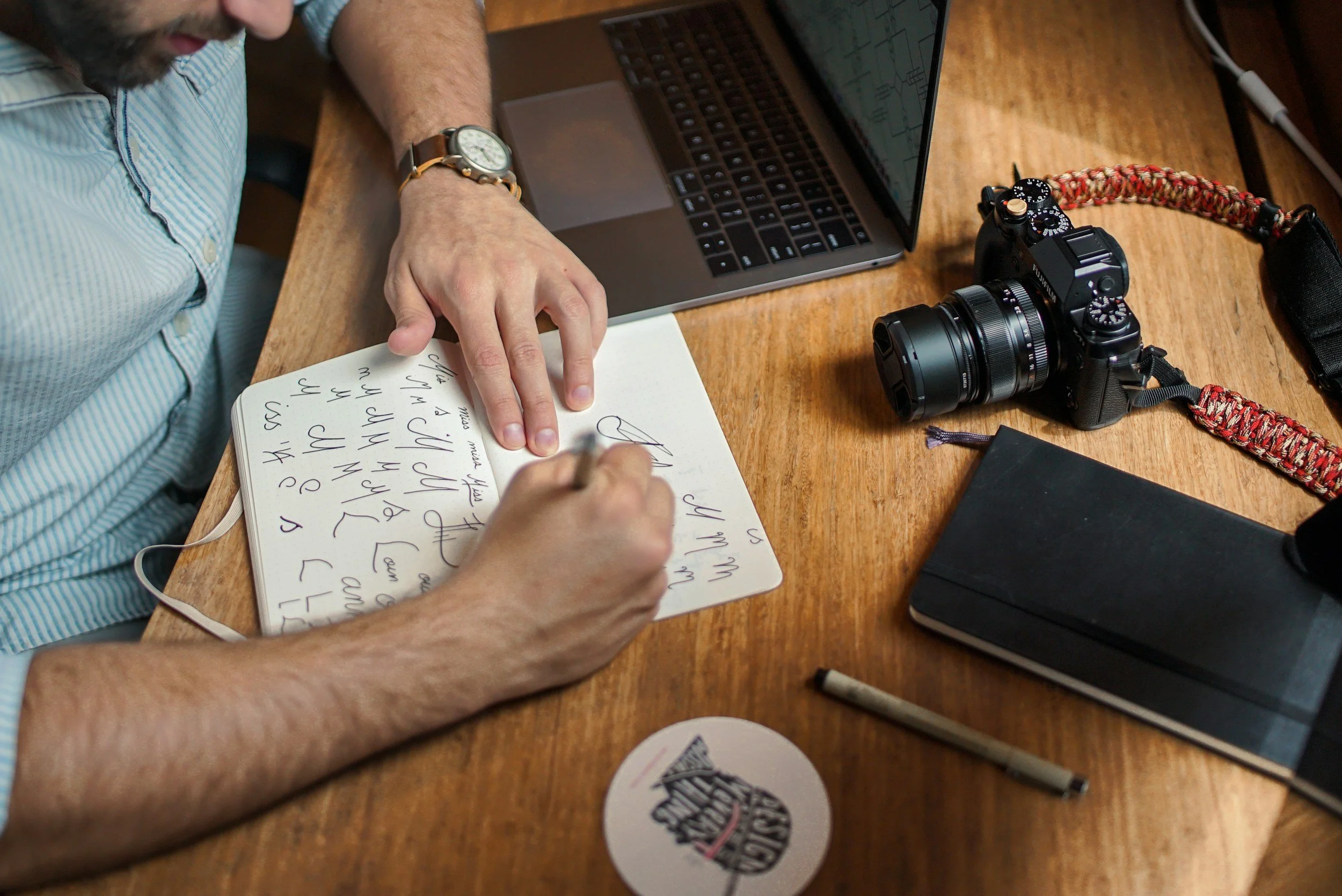
Brand Guidelines: Protecting What You've Built
A brand identity is useless if it's not applied consistently. Brand guidelines document the rules for how your identity shows up in the world.
What to Include in Your Guidelines
Logo usage: Clear rules for placement, sizing, spacing, and what not to do. Include examples of proper usage and common mistakes to avoid.
Color specifications: Exact color values for print (CMYK), digital (RGB and hex), and any specialty applications. Include guidance on color combinations and proportions.
Typography rules: Primary and secondary fonts, hierarchy guidelines, and sizing recommendations for different applications.
Voice and tone guidance: How to sound like your brand in writing. Include examples of language to use and language to avoid.
Photography and imagery style: What types of images represent your brand and what doesn't fit. Include visual references.
Application examples: Show how all of these elements come together across common use cases like websites, social media, presentations, and print materials.
Making Guidelines Usable
The most beautiful brand guidelines document is worthless if nobody follows it. Make your guidelines accessible, searchable, and easy to understand. Update them as your brand evolves. Create templates that make it easy for people to stay on brand without having to think about it.
Common Startup Brand Identity Mistakes to Avoid
After twenty years watching startups build (and rebuild) their brands, patterns emerge. Here's what to avoid:
Starting With the Logo
The logo is important, but it's the tip of the iceberg. Starting there means building your brand backwards. You end up with a visual identity disconnected from any real foundation, which is why so many startup brands feel superficial.
Copying What "Works"
It's tempting to look at successful brands in your space and copy their approach. The problem is that what works for them might not work for you. Their identity emerged from their specific values, culture, and positioning. Copying the surface without understanding the substance produces hollow results.
Designing by Committee
Every opinion dilutes the vision. Strong brands come from clear direction, not consensus. Get input, but don't let every stakeholder have equal say. The people closest to your customers and culture should have the loudest voice.
Changing Too Often
Brands need time to build recognition. Every change resets the clock. Before you rebrand, ask whether the problem is actually your identity or something else entirely. Often, startups blame their brand when the real issue is their product, positioning, or execution.
Neglecting Consistency
A brand that looks different on every channel isn't a brand. It's a collection of unrelated marketing materials. Consistency might feel boring internally, but it's how recognition is built externally.
Building Brand Identity on a Limited Budget
Not every startup has money to throw at brand development. Here's how to build something strong with limited resources:
Prioritize Ruthlessly
You don't need everything at once. Start with the elements that will have the most impact based on where you're actually showing up. If you're primarily digital, nail your website and social presence before worrying about print materials.
Use Constraints Creatively
I remember working with a startup beauty brand whose budget most agencies would dismiss as laughable. Instead of seeing that as a limitation, we saw possibilities. We assembled real customers as our cast, their hometowns as our backdrops. Small local crews brought each story to life in its own distinct way. The result shattered sales projections and stocked their content calendar for a year. The brand felt authentic, not manufactured.
Constraints force creative thinking. Some of the best brand work happens when resources are limited because there's no room for generic solutions.
Invest in Foundation First
If you have limited budget, put it toward the foundational work. Logo and visual identity can be refined later. Core positioning and messaging are much harder to fix after you've been communicating the wrong things for months.
Create Templates and Systems
Build templates that make it easy to produce consistent brand materials without starting from scratch each time. Document your guidelines early, even if they're simple. This prevents brand drift as you add team members and produce more content.
Measuring Brand Identity Success
Brand identity isn't as immediately measurable as performance marketing, but that doesn't mean you can't track progress.
Brand Recognition Metrics
Survey customers and prospects about brand recall and recognition. Can they identify your brand from visuals alone? Do they remember your key messages? How do they describe you compared to competitors?
Consistency Audits
Regularly review materials across all channels. Are guidelines being followed? Is the brand showing up consistently? Where are the gaps?
Qualitative Feedback
Pay attention to how customers talk about you. What language do they use? Does it match your intended positioning? Social listening and customer interviews reveal whether your brand identity is landing as intended.
Business Impact
Ultimately, brand identity should support business outcomes. Track metrics like customer acquisition cost, conversion rates, and customer lifetime value. Strong brands typically see improvements across all of these over time.

FAQ: Startup Brand Identity Questions Answered
How much should a startup spend on brand identity?
There's no universal answer, but plan to invest enough that the work is done properly. Cutting corners on foundational elements creates problems that cost more to fix later. For most early-stage startups, allocating 5 to 15% of your initial marketing budget toward brand development is reasonable.
How long does it take to develop a startup brand identity?
A thorough brand identity development process typically takes 8 to 12 weeks. Rushing this work usually means skipping the foundational research that makes identities resonate. The visual design phase can be faster, but only if the strategy work is solid.
When should a startup rebrand?
Consider rebranding when your current identity no longer reflects who you are, when you're entering new markets that require different positioning, or when your existing brand has negative associations you need to escape. Don't rebrand just because you're bored with your current look.
What's the difference between brand identity and brand image?
Brand identity is what you create and put into the world. Brand image is how people actually perceive you. The goal is alignment between the two, but there's often a gap. Measuring brand image helps you understand whether your identity work is landing as intended.
Can a strong brand identity save a weak product?
Not for long. Brand identity amplifies what you already have. If your product doesn't deliver, no amount of brand work will fix that. But a strong identity paired with a strong product creates something much more powerful than either alone.
How do you maintain brand identity as a startup scales?
Documentation and education. As you add team members and partners, everyone needs to understand and apply your brand consistently. Create accessible guidelines, build templates and systems, and make brand stewardship part of your culture from the beginning.
Take Your Startup Brand Identity From Concept to Reality
Building a startup brand identity that lasts requires more than creative talent. It takes strategic thinking, authentic positioning, and consistent execution across every touchpoint. The startups that get this right don't just look good. They build something people actually remember and care about.
The difference between a forgettable startup and a memorable brand isn't budget. It's whether you've done the foundational work to understand who you are, who you're for, and why any of it matters.
Ready to build a startup brand identity that actually lasts? Contact The Aux Co to discuss how we can help you develop brand positioning and creative execution that resonates with your audience and supports your long-term growth. We work as an embedded creative partner, bringing production expertise and strategic thinking into your process from the beginning.