
The Comeback of the Campaign: Why Always-On Content Is Burning Brands Out
There is a specific kind of exhaustion that hits a brand team around month eight of their always-on content strategy. The calendar is full. The content is shipping. And nobody cares.
Brands invested heavily in volume: daily posts, weekly Reels, a TikTok strategy, a LinkedIn strategy, a newsletter. Only to find themselves producing content that disappears in 24 hours and leaves nothing behind. No recognition. No recall. No relationship with the audience they were supposedly building.
What is coming back is the campaign. The thing with a point of view. The thing with a throughline that knows what it is trying to say and commits to saying it.
This is not nostalgia. It is math.
The Problem With Always-On
When content volume becomes the primary metric, strategy becomes secondary. Teams stop asking "What are we trying to communicate?" and start asking "What are we posting on Thursday?" Those are not the same question.
Media companies sold brands on programmatic placement and content volume by pointing to impressions and click-through data. That data was real. What it did not show was whether any of it was building something durable. I once bought a standing desk and was served standing desk ads on Hulu for months afterward. That is not a strategy. That is a tax on your marketing budget that someone else collects.
What a Campaign Does That Content Cannot
A campaign is a singular creative argument, expressed across multiple formats, over time, with enough intention and production quality to create a genuine impression.
When Clean and Clear came to us with "See the Real Me," the goal was not to fill a content calendar. The goal was to find real young women with real stories: a young woman in her transition journey, a dancer, girls from all over the country who had never seen themselves represented. We researched, cast, and shot over multiple days. We built something that took three years to fully execute. Nobody was asking how many posts they could repurpose from the footage. They were asking how to make something true.
That campaign did not disappear in 24 hours. It lasted because it had a point of view people could actually feel.
Real Campaigns, Real Results
For Wells Fargo, we built a six-week, six-city series traveling to a different small business each week: a gym in San Francisco, a grocery store outside of St. Paul, communities that most branded content never bothered to visit. Each week we brought in a business expert to deliver a real makeover. It was episodic, structured, and built around a single throughline: Wells Fargo believes in small businesses and is willing to prove it.
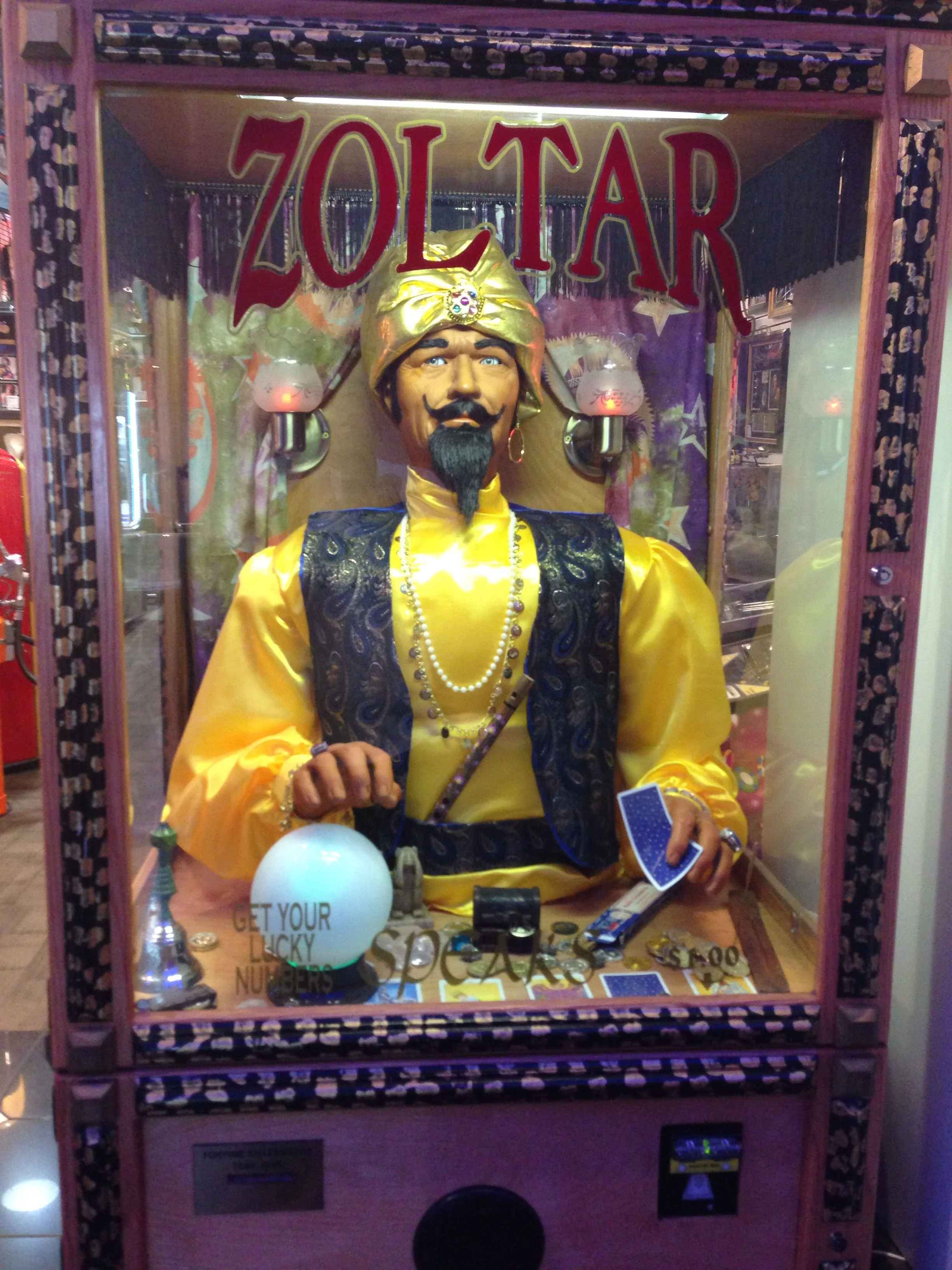
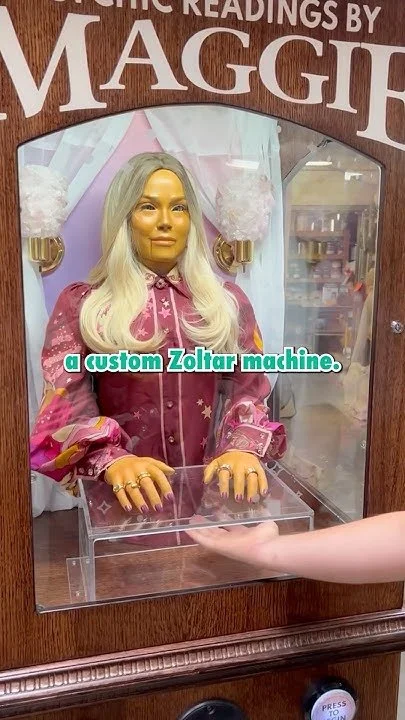
For Hulu, we built a custom Zoltar machine on the promenade in Santa Monica, surrounded by improv actors who made the fortunes come to life in real time. When a fortune mentioned flowers, someone sprinted by throwing petals. The activation ended with a couple getting engaged on camera. Every element served the same idea. It was not a collection of content moments. It was one campaign expression with layers.
Neither of those was cheap. Neither was the always-on alternative, when you add up the true cost of producing at volume. The question is what you get for your money. A campaign builds something. Volume fills a calendar.
Why It Matters More Now
When AI can generate acceptable content at scale, volume loses its value as a differentiator almost immediately. A team of four with a strong AI workflow can match the output of a team of twenty producing average content. The only thing that cannot be automated is a specific point of view, a real story, a campaign that makes a genuine creative argument.
The brands that survive the AI content flood will be the ones that invested in ideas AI cannot generate.
The Production Reality
Campaigns are harder. They require more planning, more creative commitment, and more willingness to invest before you know whether it will work. The brands that do them well bring production into the creative process early, not at the execution stage when the budget is locked, but at the development stage when there is still room to build something that can actually be made well.
Production is not the thing that happens after the idea is done. Production is where the idea either succeeds or falls apart.
The Brands That Will Be Remembered
Five years from now, nobody is going to remember what a brand posted on a Tuesday in March. They are going to remember the campaign that made them feel something.
The content hamster wheel is real, and a lot of brand teams are exhausted from running it. The way off is not to stop producing. It is to produce with purpose. One strong campaign per quarter, executed well, will do more for brand equity than twelve months of optimized content volume.
The campaign came back because brands need something that lasts.
Ready to bring campaign thinking back to your creative work? The Aux Co partners with agencies and brands as an embedded creative production team from concept through delivery. Reach out at theauxco.com.