
The Production Timeline Math Nobody Talks About… And Why Your Q3 Ideas Are Already Late
If it takes 11 weeks to produce something great, why are you briefing in November?
I've been having this conversation with agency teams and brand managers for twenty years, and it never stops being frustrating. Every fall, the same pattern plays out: someone calls in October with a "quick" Q1 campaign. They've got the concept locked. The stakeholders are aligned. They just need someone to "make it happen."
And I have to be the one to tell them that their timeline is already broken before we've even started.
The disconnect between when teams think they should start production and when production actually needs to begin is costing agencies time, money, and creative quality. And nobody wants to talk about the math because the math is uncomfortable.
So let's talk about it.
The Math Nobody Does: Real Working Weeks Per Year
Here's an exercise I run with every new client relationship. Pull up your calendar. Count the actual working weeks in a year.
Start with 52 weeks. Now subtract:
Federal holidays and office closures: Most agencies observe at least 10 federal holidays, plus that dead week between Christmas and New Year's when nobody's checking email. That's roughly 3 weeks gone.
Summer slowdowns: July and August move differently. Decision-makers are on vacation. Approvals stall. Creative directors are unreachable. You're looking at reduced capacity for at least 4 weeks.
Q4 chaos: November and December are a write-off for starting anything new. Everyone's either finishing Q4 campaigns or mentally checked out for the holidays. That's another 4-6 weeks where kickoffs don't happen.
Internal meetings, planning cycles, and admin days: Every organization has them. Budget reviews. Quarterly planning. Town halls. Figure at least 2 weeks of reduced productive capacity.
You started with 52 weeks. You're down to roughly 37-40 weeks of real production time.
Now divide that by how many campaigns you're trying to execute per year.
Starting to see the problem?
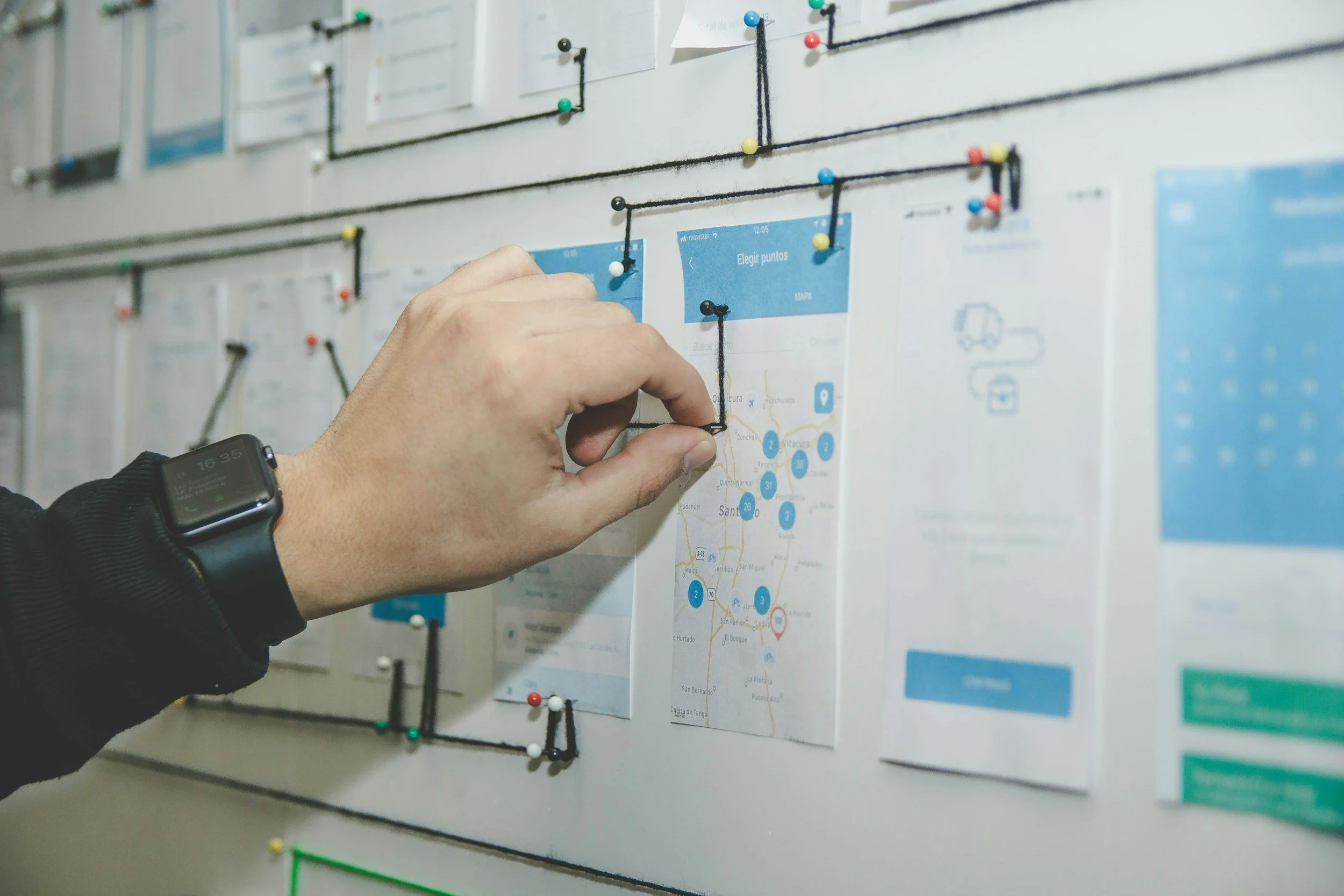
What Campaigns Actually Require: Standard Production Timelines
Let's assume you have a straightforward branded content campaign. One hero video, a few cutdowns, some social assets. Nothing crazy. This is what the timeline actually looks like when you account for reality:
Creative briefing and alignment: 1-2 weeks. This includes the kickoff meeting, brief refinement, and getting all stakeholders on the same page about what we're actually making.
Concept development and internal reviews: 2-3 weeks. Creatives need time to think. Internal teams need to weigh in. Revisions happen. This phase almost always takes longer than anyone budgets for.
Pre-production: 2-3 weeks. Location scouting, talent casting, wardrobe, set design, shot lists, call sheets. Every detail that doesn't get solved in pre-production becomes a problem on set.
Production: 1-2 weeks. The actual shoot days, plus travel if needed.
Post-production: 3-4 weeks. Editorial, color, sound design, motion graphics, music licensing. Then internal review cycles, client review cycles, and legal review if talent or music is involved.
Delivery and QC: 1 week. Final files, format conversions, trafficking to media partners.
That's 10-15 weeks for a standard campaign. And I'm being generous with these estimates.
For anything more complex, like integrated campaigns with multiple production phases, experiential components, or multi-market adaptations, you're looking at 16-20 weeks minimum.
When I was talking about this over the summer, I kept reminding clients: there are only 22 working weeks left in the year. If it takes 11 weeks to get something done well, and you're waiting until November to brief it, the math simply doesn't work.
The Domino Effect: How One Delayed Decision Cascades
Here's what kills me about how agencies and brands approach production timelines. Everyone thinks their decisions happen in isolation.
The creative director takes an extra week to finalize the concept. No big deal, right? We'll make it up somewhere.
Except that extra week pushes talent casting into a holiday weekend. Now your first-choice actor is booked. You settle for second choice, which requires re-thinking the wardrobe direction. That delays the wardrobe pull, which means the stylist has less time to source options. Now you're showing up to set with fewer choices.
Meanwhile, the location you wanted just booked another shoot for your preferred dates. The backup location needs more set dressing, which adds budget and another day of prep.
The director has a conflict because we pushed the shoot dates. Now you're working with someone less experienced who needs more hand-holding during production and more time in editorial to get the performances right.
Every single decision touches every other decision. Production timelines aren't linear. They're ecosystems.
When someone tells me "we'll make up time in post," I know we're already in trouble. Post-production time is where craft happens. It's where good becomes great. Compressing post means cutting corners on sound design, rushing color grades, and shipping work that's 80% of what it could have been.
Why Agencies Don't Tell You This: The Uncomfortable Truth
Here's something I've observed after two decades in this industry: agencies have a vested interest in not educating their clients about production timelines.
When production is treated as a mysterious black box that happens "after creative," agencies maintain control over the process. They can set expectations low and then be heroes when things come together. They can blame "production issues" for delays that actually started with unclear briefs or scope creep.
Most agencies sell ideas. They're structured around pitching concepts, not around executing them. The people who win the business and the people who make the work often sit in completely different departments with completely different incentives.
For agencies, briefing production late keeps the creative team in control longer. It means fewer hard conversations about what's actually achievable within the budget and timeline. It means they can present the perfect concept without someone like me asking uncomfortable questions about how we're going to pull it off.
The result is that clients are consistently under-educated about production realities. They don't know that their "quick turnaround" request means crew members working weekends. They don't understand that "one small change" to a concept triggers a cascade of re-work. They've never been shown the actual math.
And everyone's too polite to tell them.
The Embedded Production Advantage: How Early Partnership Changes the Math
This is exactly why I built The Aux Co around the concept of embedded production partnership rather than traditional vendor relationships.
When production expertise is involved from the very beginning of the creative process, not at the end, everything changes. The questions shift from "can you make this?" to "what's the best way to bring this to life?"
Being embedded means I'm in the room when concepts are being developed. I can flag timeline concerns before anyone falls in love with an approach that won't work. I can suggest alternatives that achieve the same creative ambition while being realistic about execution.
I've seen firsthand how getting production involved early saves weeks off the back end. When pre-production starts while creative is still being refined, when locations are being scouted before the concept is locked, when vendor relationships are warming up before the official kickoff, the entire timeline compresses without sacrificing quality.
Early partnership means:
Realistic budgets from day one. No more pricing a concept only to discover it's twice what the client can afford.
Fewer revision cycles. When production flags issues early, creative can pivot before multiple rounds of internal approvals lock in an unworkable approach.
Better creative outcomes. Constraints breed creativity. When the creative team knows what's actually possible, they solve problems differently.
Protected post-production time. When the upstream phases run smoothly, there's actually time to craft the final product.
The brands and agencies that get this right aren't the ones with the biggest budgets. They're the ones who treat production as a strategic partner, not a vendor to be briefed at the last minute.
Quarter-by-Quarter Reality Check: When You Need to Start
Let me give you a practical framework for working backwards from your launch dates.
For Q1 launches (January-March): Production needs to wrap by mid-December at the latest. That means production kicks off in October. Pre-production starts in September. Concepts need to be locked by late August.
If you're briefing your Q1 campaign in November, you're already scrambling. You'll pay rush fees, compromise on talent, and ship work that could have been better.
For Q2 launches (April-June): Work backwards from needing delivery by mid-March. Production should be wrapping in February. Kickoff in January. Concepts locked by early December.
That holiday break everyone takes? It sits right in the middle of your pre-production window. Plan accordingly.
For Q3 launches (July-September): This is where the summer slowdown becomes real. You need creative locked by April. Production through May and June. Which means the concept work starts in March.
If you're briefing Q3 work in June, you're already behind. And if your key decision-makers take August vacations, you've just lost your buffer.
For Q4 launches (October-December): The busiest production season of the year. Everyone's shooting holiday campaigns. Crews are booked. Studios are at capacity. Post houses are slammed.
Q4 creative needs to be locked by July. Production runs August through September. Brief your Q4 campaign by May if you want first choice on everything.

A Practical Planning Framework: Reverse-Engineering Your Calendar
Here's what I recommend to every agency and brand I work with:
Start with your launch date and work backwards. Add buffer at every phase because something will slip. Add more buffer than you think you need.
Identify the decision-makers and their availability. Map vacations, conference schedules, and busy periods. Build approval windows around when people are actually reachable.
Assume every phase takes 25% longer than estimated. This isn't pessimism. It's pattern recognition from hundreds of campaigns. The phase that's "definitely only going to take two weeks" will take two and a half.
Build production kickoff triggers into your creative process. When concept is approved, pre-production automatically begins. When scripts are locked, casting starts. Remove the gap between creative sign-off and production mobilization.
Create accountability for timeline. Someone on the team should own the production calendar and flag risks weekly. Not monthly. Not when problems become emergencies. Weekly.
Run a timeline audit quarterly. Look at what launched versus when it was supposed to launch. Understand where time was lost. Apply those learnings to the next quarter's planning.
Stop Planning Creative. Start Planning Execution.
Every agency I know spends enormous energy on annual planning. Campaign themes. Brand platforms. Media strategies. Content pillars.
Almost none of them plan execution with the same rigor.
They'll have a detailed deck about what the brand should say and feel, but no clear answer for how many production windows they actually have in a year. They'll know their media budget down to the dollar, but have no idea how many weeks it takes to produce the assets that will fill those placements.
Creative is important. But creative without executable timelines is just a pretty presentation.
The teams winning right now, the ones producing work that actually ships on time without the quality compromises, are the ones who've internalized that production planning is strategic planning. It's not an afterthought. It's not someone else's problem. It's the foundation everything else rests on.
If you keep briefing campaigns six weeks before you need them, you'll keep getting six-week work. If you want great work, plan like great work takes time.
Because it does. And the math doesn't lie.
Ready to stop scrambling and start planning production that actually works? Book a production planning session with The Aux Co and let's map your timeline before your next launch is already behind.
Frequently Asked Questions
How long does a typical video campaign take to produce? A standard video campaign with one hero asset and social cutdowns typically requires 10-15 weeks from brief to final delivery. More complex campaigns with multiple phases, markets, or production components can require 16-20 weeks or more.
Why do production timelines always seem to slip? Most timeline slippage happens in two places: the approval and alignment phase at the beginning (unclear briefs, stakeholder conflicts, scope changes) and the revision cycle phase at the end (subjective feedback, late-breaking changes, legal or compliance reviews). Building extra buffer into these phases is critical.
When should I involve production in the creative process? As early as possible. Ideally, production expertise should be present during initial concept development to flag feasibility issues, suggest alternatives, and ensure creative ambitions align with budget and timeline realities. Waiting until after creative is approved to involve production creates expensive problems.
What's the difference between working with a production vendor versus an embedded production partner? A traditional vendor receives a finished brief and executes against it. An embedded partner joins the process during creative development, provides ongoing strategic input, and helps shape the work from concept through delivery. The embedded model typically results in fewer surprises, tighter timelines, and better creative outcomes.
How do I account for holiday and vacation periods in production planning? Map your key decision-makers' availability before setting milestones. Build approval windows around when people are actually reachable. For Q1 launches, recognize that the Christmas/New Year period will create a gap in approvals. For Q3 work, account for summer vacation patterns in July and August.