
What 2025 Taught Us About Creative Production
2025 will be remembered as the year the creative industry finally stopped pretending. The bloated agency model that had been on life support for years finally flatlined, and something leaner, faster, and frankly better rose to take its place. After 20+ years producing campaigns across film, TV, commercials, and events, I've seen plenty of industry "shifts" that turned out to be nothing more than marketing speak. This one was different.
This wasn't a trend. It was a reckoning. The agencies that survived 2025 weren't the ones with the biggest retainers or the flashiest offices. They were the ones who could assemble the exact right team for the exact right project, deliver work that actually moved the needle, and do it all without drowning in their own overhead.
The Death of the "We Can Do Everything" Agency
For decades, full-service agencies sold clients on the idea that bigger meant better. More departments, more specialists, more bodies in seats, more capability. The pitch sounded reasonable. Why hire five different vendors when one agency can handle strategy, creative, production, media, and measurement under one roof?
The problem was never the concept. It was the execution.
I spent years inside those big agency machines. I watched brilliant creative concepts get suffocated by internal bureaucracy. A campaign that should have taken six weeks stretched to six months. Ideas got watered down through rounds of committee approvals. Budgets ballooned not because the work required it, but because the overhead demanded it. A 40% to 50% markup on every billable hour wasn't going toward better work. It was feeding a system that had become its own purpose.
In 2025, clients stopped accepting it. Brands that had been burned by mediocre output and bloated invoices started asking harder questions. They wanted to know exactly where their dollars were going and why the agency down the street with twelve people was consistently outpitching the holding company shop with two hundred.
Small Teams, Big Results
One of the most satisfying moments I had this year was watching a scrappy independent agency land a campaign that three major shops had pitched and lost. The indie team came in with a fraction of the headcount, none of the infrastructure, and an idea that was genuinely risky. The big agencies had pitched safe work, the kind of concept that offends no one and inspires no one either.
The small team won because they could afford to be bold. Without layers of overhead eating into their margins, they didn't need to pad the scope. They brought in a motion designer from Detroit who was perfect for the automotive client's visual language. They hired a photographer whose personal work aligned with the brand's tone. They assembled a crew that existed specifically for this project, then dissolved when it was done.
The results spoke for themselves. The campaign generated earned media coverage worth three times the paid spend. The client extended the relationship into a year-long partnership. The big agencies are still wondering what happened.
This pattern repeated across the industry. Independent agencies operating with 40% lower overhead weren't just surviving. They were winning pitches against established competitors, delivering higher-quality creative, and building client relationships that actually lasted.
The Rise of Hybrid Roles and Fractional Talent
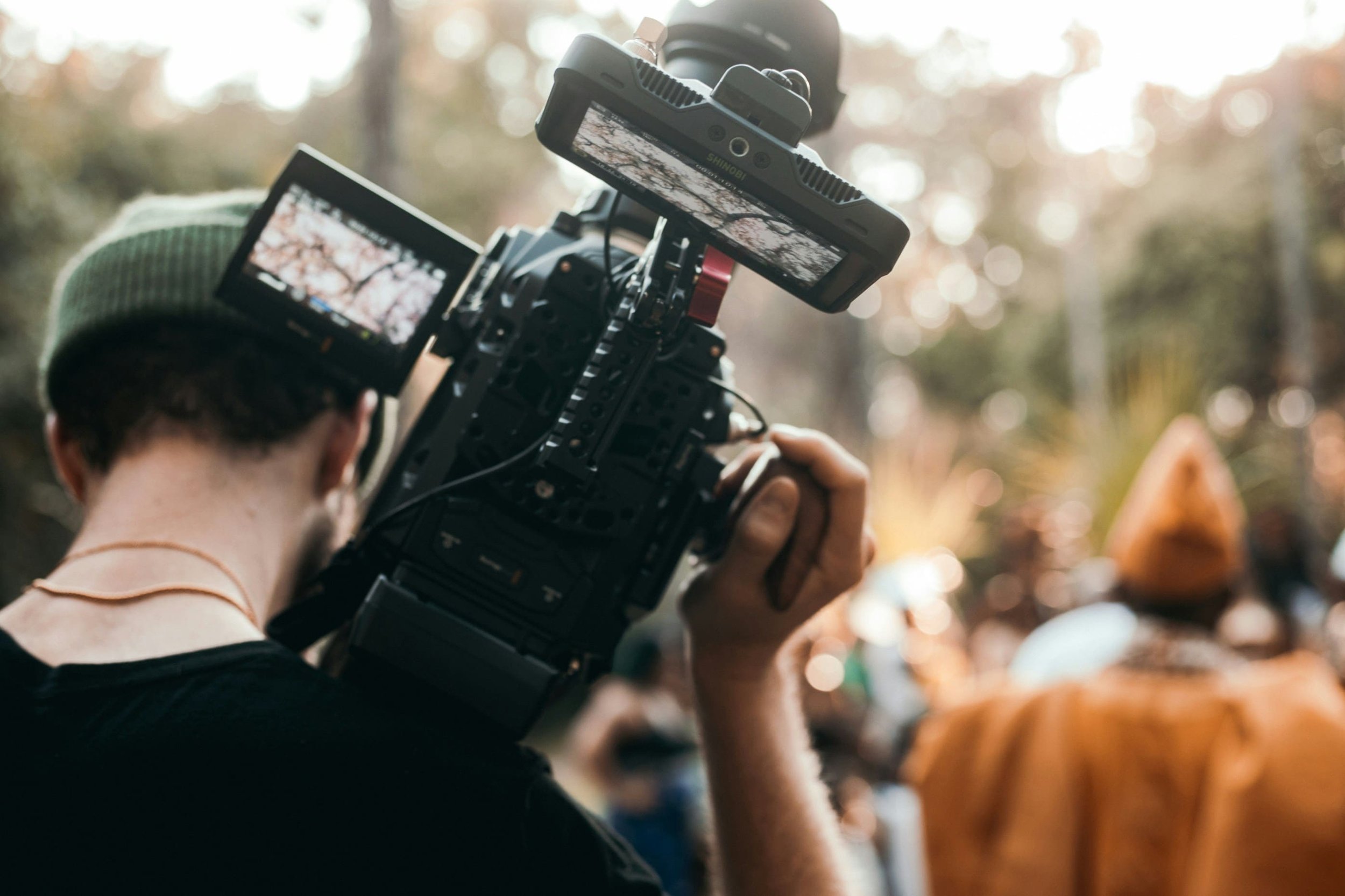
One of the most significant operational shifts I observed in 2025 was the collapse of rigid role definitions. The traditional agency model assumed you needed a full-time motion designer, a full-time social strategist, a full-time photographer, all sitting at desks waiting for the next brief. That model was designed for a world where projects arrived predictably and stayed in lane.
That world doesn't exist anymore.
The projects that came through my door this year required teams that could flex and adapt. A two-day A-list talent shoot across multiple markets. A two-hour YouTube live show with audience interaction. A custom activation that changed scope three times between kickoff and delivery. None of these projects needed the same team. All of them needed the right specialists at the right moments.
Fractional executive production became the answer. Instead of carrying a $150K strategist on payroll year-round, smart agencies brought in that expertise for the six weeks they actually needed it. Instead of maintaining in-house capabilities for every possible production type, they built networks of specialists they could activate on demand.
This wasn't about cutting costs, though that happened too. It was about accessing the best talent for each specific challenge. The best fashion director for your apparel campaign might be based in Seoul. The copywriter who actually understands your tech startup's voice might work from a co-working space in Bali. If your model requires butts in seats at a single office, you're not building the best team. You're building the most geographically convenient one.
Workflow Lessons from the Trenches
The operational changes that worked in 2025 came down to a few fundamental principles.
Production expertise has to come in early. The old model treated production as the end of the line, a department that receives a brief and figures out how to make it. That approach consistently killed good work. By the time production saw the concept, the budget was locked, the timeline was fixed, and there was no room to make the idea better. The agencies that thrived this year were the ones where producers sat in the room during creative development, asking hard questions, proposing alternatives, and identifying opportunities before the idea was sold.
Client relationships deepened when agencies stopped pretending they knew everything. I watched agencies build stronger partnerships by saying "we don't have that in-house, but here's the exact right person for this." Clients appreciated the honesty. They stopped expecting their agency to be the expert at everything and started trusting them to assemble the best team for each challenge.
Media strategy and creative development can't be separated. One of the biggest reasons branded content failed this year was the disconnect between what was being made and where it would live. The number of times I saw beautiful work die because no one considered the platform requirements until post-production was staggering. The teams that won integrated media thinking from day one.
Leadership in a Leaner World
Running leaner operations requires a different kind of leadership. The command-and-control model of traditional agency management doesn't translate to a world of distributed teams and fractional specialists.
The executives who succeeded in 2025 were the ones who could articulate a clear vision and then trust their assembled team to execute. They knew when to push back on client requests and when to find a creative solution that satisfied everyone. They understood that their job wasn't to have all the answers but to ask the right questions at the right time.
Decision-making got faster because it had to. When you're working with a lean team on a compressed timeline, you can't afford three rounds of internal review before a concept reaches the client. Trusting your creative instincts and your team's expertise became essential. The paralysis-by-analysis that plagued bigger shops simply wasn't an option.
What 2026 Demands
The agencies and producers who want to thrive next year should start with three actions.
First, audit your overhead ruthlessly. Run the numbers on how much of your client's investment actually touches their creative work versus how much feeds your operational structure. If that ratio makes you uncomfortable, you've identified your first priority.
Second, build your network before you need it. Start identifying the specialists you'd want on your dream project and build real relationships with them now. The agencies that can activate the right talent at a moment's notice have an enormous advantage over those scrambling to find resources when a brief lands.
Third, get production involved earlier. If your creative team is still presenting fully-baked concepts to production for the first time, you're leaving value on the table. The best work happens when production expertise shapes the idea from the beginning, not just executes what's been sold.
The Path Forward
The creative industry didn't shift in 2025 because someone wrote a trend report about it. It shifted because the old model stopped working and clients stopped paying for it. The agencies that adapted built something better: more agile, more creative, more profitable.
The lesson is simple. Overhead doesn't equal capability. Scale doesn't guarantee quality. The teams that win are the ones that start every project with a blank slate, assemble exactly the right people, and deliver work that actually matters.
The dinosaurs had a good run. The future belongs to the nimble.