
What to Expect From a Startup Design Agency: An Insider's Guide to Getting Real Results
You've got a brand to build, a product to launch, and a timeline that makes your head spin. The idea of working with a startup design agency sounds perfect on paper: fresh thinking, nimble teams, and pricing that won't require a second mortgage. But what actually happens when you sign that contract?
This guide breaks down what to expect from a startup design agency, from the initial discovery call to final deliverables. Whether you're a founder launching your first product or a brand manager looking for creative partners who can move at startup speed, you'll walk away knowing exactly what to look for, what red flags to avoid, and how to set up a working relationship that actually delivers.
What Is a Startup Design Agency?
A startup design agency is a smaller, often independently owned creative firm that specializes in working with early-stage companies, growing brands, and organizations that need design work executed with speed and flexibility. Unlike legacy agencies with layers of account managers and bureaucratic approval processes, these teams operate lean.
Most startup design agencies have between 5 and 30 people on staff, though many work with extended networks of freelance specialists. The core team typically includes creative directors, brand designers, UX/UI specialists, and project managers who can wear multiple hats when needed.
What sets them apart from traditional agencies isn't just size. These firms are built to move fast, iterate quickly, and work within tighter budgets without sacrificing quality. They attract top creative talent who left larger shops because they wanted to do better work with fewer constraints.
Why Startups and Growing Brands Choose Smaller Agencies
The math behind choosing a startup-focused design agency often comes down to one reality: traditional agency overhead doesn't scale to match the budgets of most growing companies.
A mid-sized legacy agency might drag around $2 million or more in annual overhead before a single project gets delivered. Executive salaries, office space, and layers of staff who may or may not touch your project all add up. When a brand cuts a $300K check, sometimes only 40% of that actually funds the creative work itself.
Startup design agencies flip this equation. Lower overhead means more of your budget goes directly into the work. A project that costs $300K at a traditional shop might run $150K to $180K at a lean agency, with comparable or better quality.
Beyond the budget math, there's the speed factor. According to McKinsey research, design-led companies outperform their industry peers by as much as 200% in shareholder returns. Startups that can iterate on their brand and product design quickly gain significant market advantages. Smaller agencies are built to deliver that velocity.
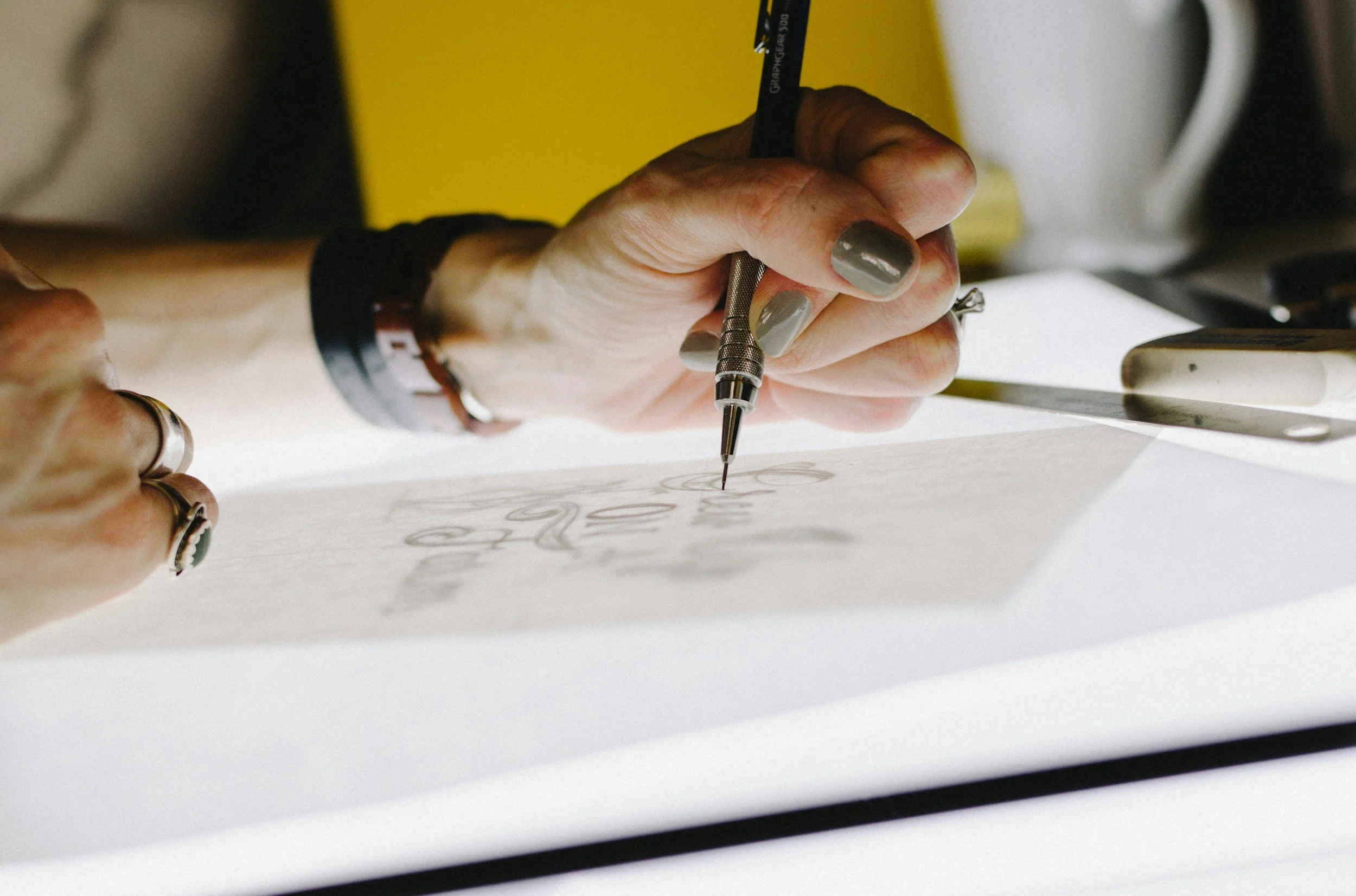
Services You Can Expect From a Startup Design Agency
The scope of what startup design agencies offer varies, but most credible firms cover these core areas.
Brand Identity and Strategy
This includes logo design, visual identity systems, brand guidelines, and the strategic thinking that underlies those creative assets. Expect discovery sessions that uncover your positioning, competitive analysis, and audience research. Strong agencies will push back on your assumptions and challenge you to think bigger about what your brand can represent.
Web and Digital Design
Most startup agencies offer website design, landing page creation, and digital asset development. Some have in-house development capabilities, while others partner with trusted dev teams. Ask upfront how they handle the handoff from design to development if you need a fully built site, not just mockups.
Product and UX Design
If you're building a software product, startup agencies often provide UX/UI design, prototyping, and user testing. The best firms integrate user research into their process rather than designing based on assumptions about what your customers want.
Marketing Collateral and Campaign Work
Social media assets, pitch decks, email templates, event materials, and advertising creative fall into this bucket. Some agencies focus heavily on campaign execution, while others position this as add-on work to their core brand services.
Motion and Video
A growing number of startup-focused agencies offer motion graphics, explainer videos, and social video content. This has become nearly essential given how platforms prioritize video. Instagram Reels alone has over 2 billion monthly users, making video production capability a significant differentiator for design partners. See how The Aux Co approaches video production for brands that need to move fast without sacrificing quality.
The Typical Startup Design Agency Process
Knowing what to expect at each stage helps you evaluate whether an agency's process aligns with how your team works.
Discovery and Research Phase
This is where the agency learns your business, audience, competitive landscape, and goals. Expect questionnaires, stakeholder interviews, brand audits (if you have existing materials), and research into your market. This phase typically runs 1 to 3 weeks depending on project scope.
Red flag: If an agency skips this phase or rushes through it, they're not doing the work to understand your actual needs. They're just executing on assumptions.
Strategy Development
Based on discovery insights, the agency develops strategic recommendations. This might include brand positioning, messaging frameworks, user personas, or a creative brief that guides all subsequent work. You should receive a document or presentation that makes the strategy tangible before design work begins.
Design Exploration
Now the creative work starts. Expect multiple concept directions, often presented as mood boards or initial sketches before full design development. The agency should explain the thinking behind each direction, not just show you pretty pictures.
A good agency will show you work that challenges your expectations alongside safer options. If every concept feels comfortable and expected, they may be playing it too safe.
Refinement and Iteration
After you select a direction, the agency develops it fully. This phase involves rounds of feedback and revision. Most agencies include 2 to 3 rounds of revisions in their standard pricing. Additional rounds typically cost extra.
Set clear expectations upfront about who on your team provides feedback and how decisions get made. Design projects derail when too many stakeholders weigh in at different times with conflicting input.
Finalization and Handoff
The agency packages final deliverables and hands them off with usage guidelines. For brand work, this means brand guidelines documents and organized asset files. For web projects, this means design files ready for development or fully built pages. For marketing assets, this means editable source files and export versions in required formats.
How to Evaluate a Startup Design Agency
Not all startup agencies are created equal. Here's how to separate the contenders from the pretenders.
Portfolio Depth and Relevance
Look beyond surface aesthetics. Does their portfolio show work in your industry or for companies at your stage? Have they solved problems similar to yours? Can they explain the strategic thinking behind the work, not just show finished visuals?
Ask for case studies that include results, not just pretty screenshots. Did the rebrand help the company raise funding? Did the website redesign improve conversion rates? Good agencies track outcomes and can speak to them.
Team Structure and Who Does the Work
In some agencies, senior talent pitches the project and junior staff executes. Ask directly who will work on your project and meet them before signing. The people in the pitch meeting should be the people doing the work.
Find out how the agency handles resourcing. Do they have full-time staff, or do they rely heavily on freelancers? Neither is inherently better, but you should know what you're getting. Agencies that work with networks of specialists can sometimes bring better expertise for specific needs, while those with stable in-house teams may offer more consistency.
Communication Style and Responsiveness
How an agency communicates during the sales process tells you a lot about how they'll communicate during the project. Are they responsive? Do they ask smart questions? Do they push back when you say something that doesn't make strategic sense?
Ask about their project management approach. What tools do they use? How often will you get status updates? What's the escalation path if something goes wrong? Agencies with clear answers to these questions have built systems that prevent the common breakdowns in client work.
Pricing Transparency
Get specifics on how they price work. Is it project-based, hourly, or retainer? What's included and what costs extra? How do they handle scope changes?
The cheapest option isn't always the best value. An agency that charges $20K for a brand identity but delivers mediocre work and requires extensive revisions costs more in the long run than one charging $40K for work that lands on the first round.
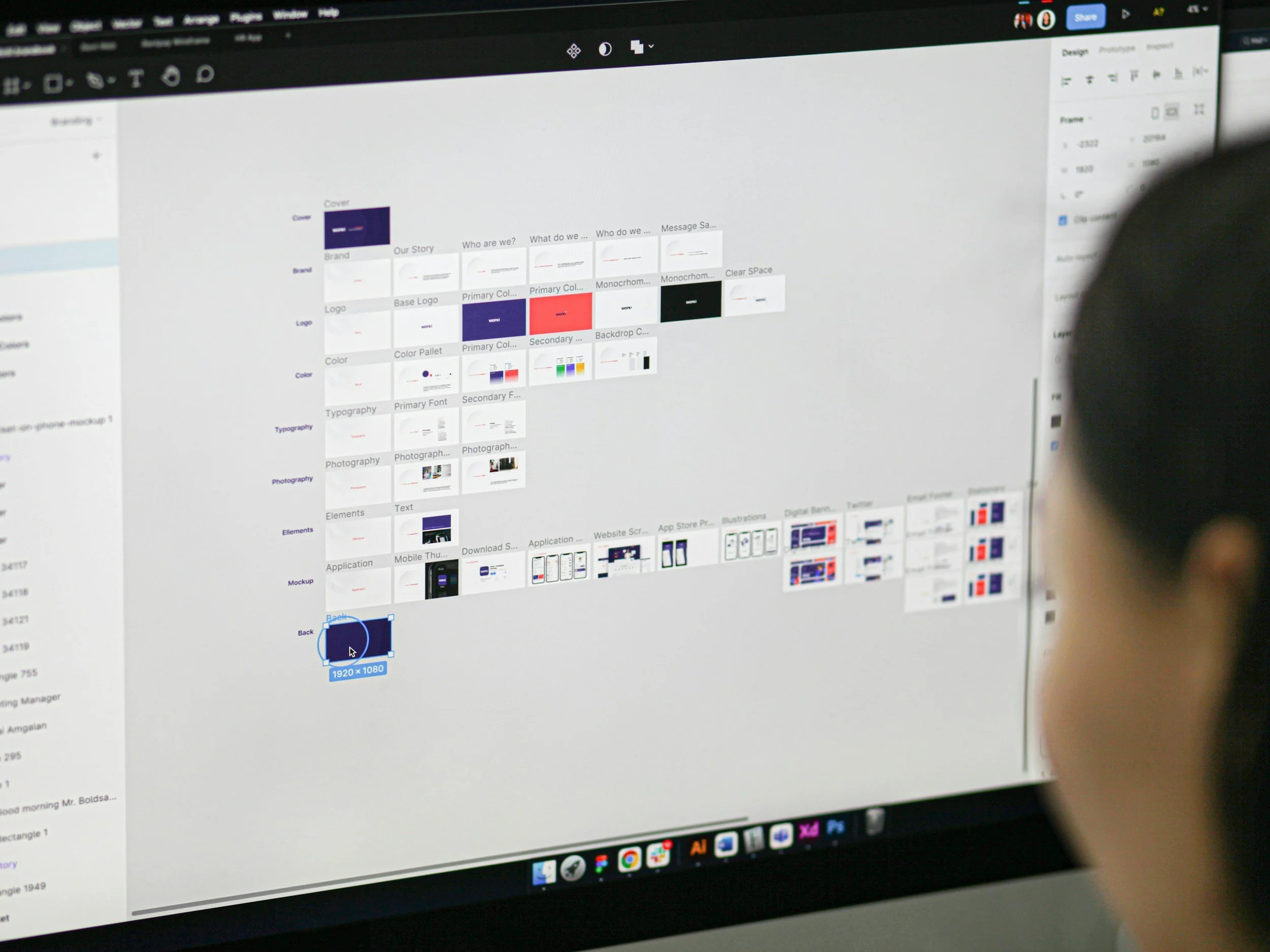
Common Pitfalls to Avoid When Hiring a Startup Design Agency
Working with smaller agencies has advantages, but there are traps to watch for.
Misaligned Expectations on Scope
The most frequent breakdown happens when agency and client have different assumptions about what's included. Get granular in your contract about deliverables, revision rounds, timeline milestones, and what happens if the project scope changes.
Underestimating the Time Investment on Your Side
Design projects require client input at every stage. You'll need to make decisions, provide feedback, gather internal buy-in, and supply content. If you're too busy to be responsive, the project will stall regardless of how capable the agency is.
Plan for significant time investment during discovery and key review milestones. Brief your internal stakeholders on the timeline before the project starts so they're available when you need sign-off.
Letting Too Many Voices Into the Process
Design by committee kills creative work. Identify who has final approval authority on your side and limit the feedback loop to essential decision-makers. The agency should push back if you try to include too many reviewers.
Choosing Based on Style Alone
An agency's portfolio shows their aesthetic sensibilities, but past work for other clients shouldn't look like what they'll create for you. Your brand needs to express your unique positioning, not replicate what worked for someone else.
Evaluate agencies on their strategic thinking and process, not just whether their existing work matches your taste.
What a Good Working Relationship Looks Like
The best client-agency relationships share common traits.
Mutual respect goes both ways. You respect their expertise and give them room to push creative boundaries. They respect your business knowledge and incorporate your input meaningfully.
Communication is direct and honest. They tell you when an idea won't work rather than just executing what you asked for. You tell them when something isn't landing rather than waiting until the final round to raise concerns.
Timelines are realistic. Rush jobs happen, but chronic timeline pressure produces worse work. Agencies should tell you when your deadline isn't achievable, and you should trust their assessment.
Feedback is specific and actionable. Instead of "I don't like it," you articulate what's not working and why. Instead of defending their choices, the agency seeks to understand your concern and addresses it.
Startup Design Agency Pricing: What to Expect
Pricing varies widely based on agency location, team experience, and project scope. Here are general ranges to calibrate your expectations.
Brand identity projects from credible startup agencies typically run $15,000 to $75,000 depending on scope. A logo-only project sits at the low end, while a full brand system with guidelines, templates, and applications reaches the higher end.
Website design (not including development) ranges from $10,000 to $50,000 for most startup-scale projects. More complex sites with extensive custom functionality cost more.
Marketing campaigns are often priced per deliverable or as monthly retainers. Expect $3,000 to $15,000 per month for ongoing creative support, or $5,000 to $30,000 for one-off campaign packages.
These numbers represent agencies with genuine expertise. You can find cheaper options, but the old adage applies: you get what you pay for.
The Aux Co Approach to Design Execution
At The Aux Co, we work as an embedded creative production partner rather than a traditional agency. This means we integrate with your team during the project rather than operating as an outside vendor who receives a brief and disappears until the presentation.
Our model developed from 20+ years watching the gap between creative vision and execution derail otherwise great projects. The idea is strong. The strategy makes sense. And then somewhere between concept and completion, things fall apart because nobody's coordinating the actual making of the work.
We help brands and agencies scope, source, manage, and deliver creative production without adding permanent overhead to their teams. Whether you need brand design executed, campaigns produced, or ongoing creative support, we bring production expertise into the process early enough to prevent the problems that typically surface at the worst possible moment.
Frequently Asked Questions About Working With a Startup Design Agency
How long does a typical branding project take with a startup design agency?
Most brand identity projects run 6 to 12 weeks from kickoff to final deliverables. Simpler projects can move faster, while comprehensive brand systems with multiple applications take longer. The biggest variable is usually how quickly you can provide feedback and make decisions on your end.
What should I include in a design brief for a startup agency?
Include your business objectives, target audience information, competitive landscape, any existing brand assets, timeline constraints, and budget parameters. The more context you provide upfront, the faster the agency can develop relevant solutions. Don't worry about being too detailed because good agencies will refine the brief through their discovery process.
How many revision rounds are typical?
Most agencies include 2 to 3 rounds of revisions in their standard pricing. This usually provides enough iteration to land on a strong final product. If you're consistently needing more revisions, it may signal a misalignment that needs addressing through better communication rather than more rounds of changes.
Should I hire a startup agency or a freelance designer?
Both can produce excellent work. Freelancers often cost less for straightforward projects but may lack capacity for larger scopes or quick turnarounds. Agencies bring teams with diverse skills and built-in project management, making them better suited for complex or ongoing work. Consider the scope, timeline, and level of strategic input you need when deciding.
How do startup agencies typically handle rush projects?
Rush work is possible but usually costs more and requires trade-offs. Agencies may bring in additional resources, work extended hours, or reduce the number of concept directions explored. Be honest about what's driving your timeline and ask the agency how they'd handle it before assuming every deadline is flexible.
What happens after the project ends?
Some agencies offer ongoing retainers for continued support. Others hand off completed work and move on. Clarify upfront whether you'll have access to them for questions after delivery, whether they offer training on using brand assets, and what ongoing relationship options exist.
How do I know if an agency is the right cultural fit?
Pay attention to how they communicate during the sales process. Do they listen more than they pitch? Do they ask questions that show genuine curiosity about your business? Do they push back constructively when something you suggest doesn't make strategic sense? The agency that challenges you respectfully will likely produce better work than one that just agrees with everything you say.
Making Your Decision
Choosing a startup design agency is ultimately about finding a partner who can execute your vision while pushing it further than you could on your own. Look for strategic depth beyond aesthetic skill. Prioritize agencies that ask hard questions and aren't afraid to tell you when an idea won't work.
The right startup design agency won't just make your brand look good. They'll help you build creative systems that scale with your business.
Ready to discuss how embedded creative production support could accelerate your next design project? Contact The Aux Co to start the conversation.