
What to Expect From Testimonial Video Services
Your best salespeople aren't on your payroll—they're your customers. And right now, they're probably not saying a word.
That's the gap that testimonial video services exist to fill. When prospects watch a real customer describe how your product solved their problem, something shifts. They stop evaluating features and start imagining outcomes. It's not marketing anymore—it's proof.
This guide breaks down exactly what to expect when you invest in professional testimonial video production. We'll cover the process, the pricing, the pitfalls to avoid, and the strategic decisions that separate forgettable customer quotes from content that actually converts. Whether you're evaluating customer testimonial video companies for the first time or looking to scale your existing video testimonial program, this is your roadmap.
Why Testimonial Videos Have Become Essential for Modern Marketing
The numbers tell a clear story. Video testimonials lead all other video marketing formats, with 39% of marketers creating them—more than explainer videos, product demos, or social content. And the impact extends beyond creation: 72% of customers report trusting a brand more after watching positive video testimonials from real users.
This isn't accidental. Consumer trust has fundamentally shifted. People trust other people, not brands. Video testimonials leverage this dynamic by putting authentic voices front and center, complete with facial expressions, tone, and genuine emotion that text simply cannot replicate.
Consider what happens when a B2B buyer researches solutions. According to recent industry data, 93% of B2B buyers say video content is important for building trust. When those same buyers watch a peer describe solving a problem similar to theirs, the sales conversation changes entirely. The prospect moves from "convince me" to "show me how."
The ROI Conversation
Let's address the question every marketing leader asks: is the investment worth it?
The data suggests yes, decisively. Video testimonials can increase conversions by up to 80% when placed on landing pages. Companies using video marketing report 87% claiming it has directly increased sales. That's not incremental improvement—that's transformation.
But here's what the statistics don't capture: video testimonials work throughout your entire funnel. Use them in email campaigns and you'll see click-through rates jump 200-300%. Feature them on product pages and watch time-on-page metrics climb. Share them on LinkedIn and watch your brand become synonymous with real results rather than marketing claims.
The Testimonial Video Production Process: What Actually Happens
Understanding the production workflow helps you evaluate testimonial video services properly and set realistic expectations for timelines and involvement.
Phase 1: Strategy and Planning
Before cameras roll, effective testimonial video companies invest significant time in strategy. This phase typically includes identifying the right customers to feature, understanding your target audience, and developing questions that will elicit compelling responses.
The customer selection process deserves particular attention. You're not looking for your most enthusiastic customer—you're looking for the customer whose story will resonate with your ideal prospect. That might mean featuring someone from a specific industry, a company of a certain size, or someone who solved a particular problem your prospects commonly face.
Professional video testimonial services will typically conduct pre-interviews to assess whether a customer will be comfortable on camera and whether their story aligns with your marketing objectives. This step prevents the disappointment of committing production resources to a customer who freezes under lights or whose experience doesn't translate to your target market.
Phase 2: Production Day
Production day is where budgets become visible. The difference between a $2,000 testimonial and a $20,000 testimonial largely comes down to what happens during filming.
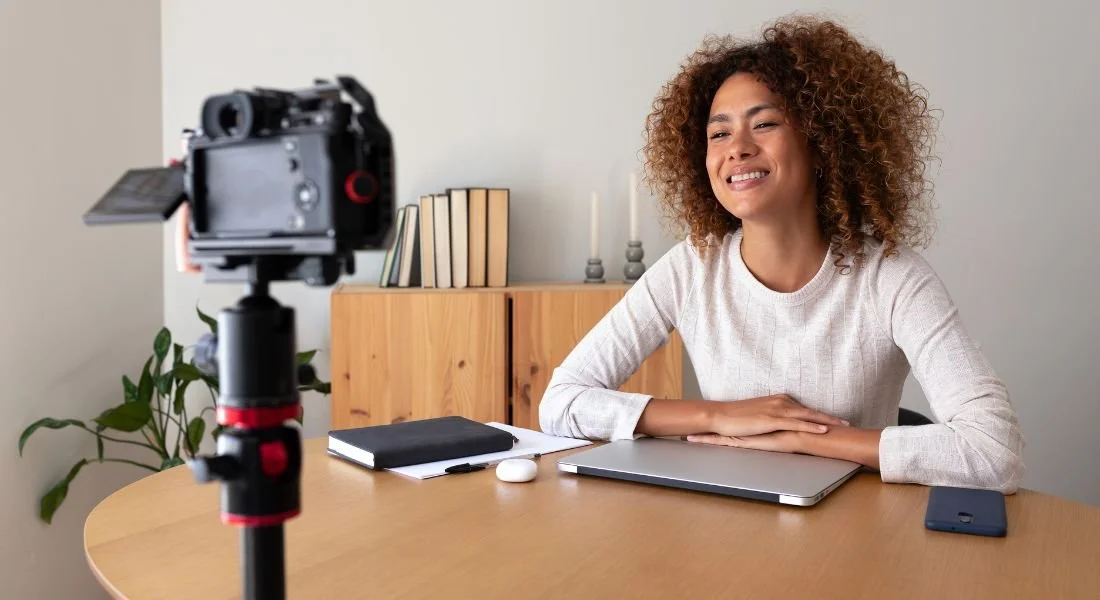
At the foundation, expect interview-style filming where your customer answers questions about their experience. Professional productions will use cinema-grade cameras, proper lighting setups (often requiring dedicated lighting technicians), and external microphones to ensure clean audio. Many productions use multiple cameras to enable more dynamic editing and cover any moments where the subject looks away or needs to restart an answer.
Beyond the interview, quality productions capture B-roll footage—supplementary shots that add visual interest and context. This might include footage of your customer using your product, shots of their workplace, or visuals that support the story they're telling. B-roll transforms a static talking-head video into something that feels like storytelling.
The interview itself requires skilled direction. Great testimonial video services employ interviewers who can make subjects feel comfortable, ask follow-up questions that draw out specifics, and guide conversations toward the emotional moments that resonate with viewers. This isn't about scripting—the best testimonials feel natural because the interviewer creates space for authentic responses.
Phase 3: Post-Production
Editing transforms hours of raw footage into a polished final product. This phase includes selecting the strongest sound bites, weaving together the narrative arc, integrating B-roll footage, and adding professional polish through color correction, graphics, music, and sound design.
Length matters more than you might expect. Most effective testimonials land between 60 seconds and 2 minutes. This range gives enough time to establish the problem, describe the solution, and share results—without losing viewer attention. Many productions also create shorter cut-downs (15-30 seconds) optimized for social media and paid advertising.
The review process typically involves multiple rounds. Expect to provide feedback on rough cuts before final delivery, and budget time for revisions.
What Testimonial Video Services Cost (And What Drives Pricing)
Budget conversations around video production often surprise first-time buyers. Let's establish realistic expectations.
Professional testimonial video production typically costs between $14,000 and $20,000 for a single video through a full-service agency. This range reflects the involvement of skilled crews, quality equipment, pre-production planning, and professional editing.
However, the market spans from scrappy approaches to premium productions. At the lower end, some companies spend under $5,000 by using internal resources, simpler setups, or remote recording tools. At the higher end, 11% of companies invest over $50,000 per testimonial when they need cinematic quality, complex productions, or celebrity customers.
What Drives Cost Variation
Several factors determine where your testimonial falls on this spectrum.
Location and travel create immediate cost differences. Filming at your customer's location adds travel expenses for the crew, potentially including flights, hotels, and equipment shipping. Filming multiple customers during a single trip can reduce per-video costs significantly.
Production quality scales with crew size and equipment. A basic two-person crew with prosumer cameras differs substantially from a five-person team with cinema cameras, lighting grids, and dedicated audio engineers. Both can produce professional results, but the visual impact and flexibility in editing differ noticeably.
Post-production complexity affects pricing too. Motion graphics, custom music licensing, animated explainers, and extensive revision rounds all add cost. Simple cuts with stock music cost less than heavily produced pieces.
How to Evaluate Customer Testimonial Video Companies
Not all testimonial video services deliver equal results. Here's what to assess when evaluating potential partners.
Portfolio Relevance
Review their existing work, but look beyond production quality. Do their testimonials feel authentic? Do the subjects seem comfortable and genuine? Most importantly, do their videos match the style and tone you envision for your brand?
Ask specifically about testimonial experience. Many video production companies excel at commercials or brand films but lack expertise in the particular challenges of testimonial production—specifically, making non-actors feel comfortable and extracting compelling stories through interview technique.
Process Clarity
Experienced testimonial video companies can clearly articulate their process, including how they help identify and prepare customers, what happens during production day, and what the revision process looks like. Vague answers suggest either inexperience or a lack of systematic approach.
Ask about their pre-interview process specifically. How do they assess whether a customer will work well on camera? How do they prepare customers for filming day? The answers reveal how thoughtfully they approach the human elements that determine testimonial success.
Creative Partnership vs. Execution
Some video companies execute your vision. Others bring strategic thinking to the table. For testimonial videos specifically, the latter often proves more valuable.
Look for partners who ask questions about your target audience, your sales process, and where these videos will be used. Those questions indicate they're thinking about effectiveness, not just aesthetics. A beautiful video that doesn't resonate with your actual prospects represents wasted investment.
Best Practices for Testimonial Videos That Actually Convert
Having worked with brands across industries on high-stakes creative production, certain patterns consistently separate effective testimonials from forgettable ones.
Lead With the Problem
Too many testimonials start with praise for the company or product. That's backwards. Viewers connect when they recognize their own challenges reflected on screen. Structure your testimonial to establish the problem first, letting viewers see themselves in the customer's situation before introducing your solution.
Specificity Creates Credibility
Vague statements like "it saved us so much time" land flat. Specific statements like "we reduced invoice processing from six hours to 45 minutes" create believability. During interviews, push for concrete numbers, specific timeframes, and tangible outcomes. These details transform general satisfaction into compelling evidence.
Let Emotion Show
The temptation to over-polish testimonials often removes the human moments that create connection. A customer who pauses to collect their thoughts, laughs at a memory, or shows visible relief when describing a solution—these moments signal authenticity in ways that smooth delivery cannot.
Match Story to Audience
A testimonial from an enterprise customer won't resonate with small business prospects. A technical buyer needs different proof points than an executive buyer. The most effective testimonial programs create multiple videos targeting different segments, ensuring every prospect can find a story that mirrors their own situation.
Plan for Multiple Formats
Your testimonial footage has more value than a single video. Plan from the start to create multiple cuts: a long-form version for your website, shorter social cuts, a version optimized for sales team use, and potentially audio-only versions for podcasts or sales calls. This thinking should influence how you structure interviews and what footage you capture.
Common Mistakes to Avoid With Testimonial Video Production
Over-Scripting the Customer
The fastest way to kill authenticity is handing your customer a script. Even detailed talking points can make testimonials feel rehearsed. Instead, share the general topics you'll cover and trust your interviewer to guide the conversation naturally.
Prioritizing Enthusiasm Over Relatability
Your most enthusiastic customer isn't always your best testimonial subject. The goal is relatability, not excitement. A thoughtful, articulate customer whose situation mirrors your prospects' will outperform an over-the-top advocate whose experience feels exceptional.
Neglecting Sound Quality
Viewers will forgive imperfect video. They won't tolerate bad audio. Echo-filled rooms, background noise, and muffled voices signal amateur production regardless of how good the visuals look. Invest in proper audio capture—it's the foundation of professional production.
Skipping Legal Clearance
Before filming begins, secure written consent from your testimonial subject. This protects both parties and prevents the nightmare scenario of completing production only to have legal issues block usage. Professional testimonial video services build this into their standard process.
Creating Only One Version
Producing a single cut wastes the investment you've made in production. Capture enough footage and plan your edit to enable multiple versions optimized for different platforms and use cases. The marginal cost of additional cuts is minimal compared to the value they create.
Where to Use Your Testimonial Videos for Maximum Impact
Strategic placement determines whether your testimonial investment generates returns.
Website Integration
Feature testimonials prominently on your homepage, product pages, and a dedicated customer stories section. Landing pages with video testimonials see conversion lifts of up to 80%—but placement matters. Position testimonials near calls-to-action where prospects are making decisions.
Sales Enablement
Arm your sales team with testimonials organized by industry, use case, and customer type. When a prospect raises an objection or expresses doubt, a relevant testimonial often proves more persuasive than any talking points. Make videos easily accessible and searchable so reps can deploy them in real-time.
Email Campaigns
Adding video to emails increases click-through rates dramatically, with some studies showing 200-300% improvement. Include video testimonials in nurture sequences, proposal follow-ups, and any communication where building trust matters.
Social Media
LinkedIn, YouTube, and Instagram all reward video content. Short testimonial cuts (15-30 seconds) work particularly well for paid campaigns targeting lookalike audiences of your existing customers.
Trade Shows and Events
Testimonial videos playing at your booth or incorporated into presentations provide third-party validation during moments of high prospect attention.
The Future of Testimonial Video Production
The testimonial landscape continues evolving. Several trends warrant attention.
AI-assisted production tools are reducing certain costs, particularly in editing and repurposing content. While they won't replace the human elements that make testimonials authentic, they're making it easier to create more versions from the same source footage.
Remote and hybrid production methods gained traction during the pandemic and persist for budget-conscious programs. While they sacrifice some production quality, they've made testimonial capture more accessible for companies with distributed customers.
Short-form video dominance on social platforms is pushing testimonial formats shorter. The 15-second testimonial snippet optimized for mobile viewing represents a growing part of many companies' testimonial portfolios.
Finally, the integration of testimonials with broader content strategies is deepening. Rather than standalone assets, testimonials increasingly serve as raw material for case studies, social proof throughout websites, and components of larger brand campaigns.
Frequently Asked Questions About Testimonial Video Services
How long should a testimonial video be?
Most effective testimonials fall between 60 seconds and 2 minutes. This provides enough time to establish the problem, describe the solution, and share results without losing viewer attention. For social media, create additional 15-30 second cuts from the same footage.
How do I convince customers to participate in a testimonial video?
Start by identifying customers who have expressed enthusiasm organically—through reviews, referrals, or direct feedback. Make the ask personal (ideally from their main point of contact at your company) and emphasize the opportunity to share their success story. Offer to provide the final video for their own use, and assure them the process will be professional and comfortable.
What questions should we ask in a testimonial interview?
Focus on the problem-solution-result arc. Ask about the challenges before using your product, why they chose your solution over alternatives, how implementation went, and what specific results they've achieved. Always push for concrete examples and quantifiable outcomes.
Should testimonials be scripted?
No. Scripted testimonials almost always feel inauthentic to viewers. Instead, share general topics in advance and use skilled interviewers who can guide natural conversation toward compelling content. Authenticity is your greatest asset.
How many testimonial videos does a company need?
There's no universal number, but aim for variety across customer types, industries, use cases, and buyer personas. Most companies benefit from having at least 5-10 testimonials covering their key market segments, with plans to add more regularly.
What's the typical timeline for testimonial video production?
From initial planning to final delivery, expect 4-6 weeks for a standard production. This includes pre-production planning (1-2 weeks), production day, and post-production editing with revision rounds. Complex productions or multiple simultaneous testimonials may extend this timeline.
Can testimonial videos be updated or refreshed?
Video footage ages faster than you might expect—styles, graphics, and even quality expectations evolve. Plan to refresh testimonials every 2-3 years, or sooner if the featured customer's situation changes significantly or your brand evolves.
Making the Investment Decision
The best testimonial video services don't just capture customer praise—they translate real experiences into persuasive content that moves prospects toward purchase decisions. The investment is substantial, but the returns compound over time as testimonials work across your marketing and sales functions.
What separates great testimonial programs from mediocre ones isn't production budget. It's strategic thinking: choosing the right customers, asking the right questions, and deploying finished videos where they'll have maximum impact.
If you're building a testimonial program for the first time, start with two or three strategically selected customers whose stories will resonate with your highest-priority prospects. Learn from those productions, refine your approach, and scale from there.
If you're looking to elevate existing testimonial efforts, consider whether your current approach is truly strategic. Are you featuring the right customers? Are your videos reaching the right audiences? Are you extracting maximum value from your production investment?
Ready to build testimonial videos that actually convert? At The Aux Co, we don't just shoot interviews—we partner with brands to develop complete testimonial strategies that capture authentic stories and deploy them for measurable impact. Contact us to discuss your testimonial video project.