
Testimonial Video Best Practices: A Production-First Guide to Videos That Convert
The gap between a testimonial video that drives results and one that gets ignored has nothing to do with budget. Brands spending six figures can still produce stiff, forgettable content. A well-planned modest shoot can produce clips sales teams use for years.
Testimonial video best practices require discipline most brands skip in their rush to publish. This guide covers the production-first approach from customer selection to final delivery.
What Separates Great Testimonial Videos from Forgettable Ones
Forgettable testimonials share common traits: scripted talking points, generic questions, static footage, edits that are too long or too vague.
Great testimonials feel like conversations. The customer speaks naturally about a specific problem, what they tried before, why they chose this solution, and what changed. The details are concrete. The emotions are real. The viewer sees themselves in the story.
Production quality supports without overwhelming. Clean lighting, clear audio, intentional framing, tight edit.
Pre-Production: Setting Up for Authenticity
Pre-production decisions set the ceiling for what's possible. Customer selection, question design, and logistics determine quality before anyone steps in front of a camera.
Choosing the Right Customers
The ideal candidate has experienced a measurable outcome they can articulate clearly. They're comfortable on camera. They represent a segment your target audience identifies with.
Look for customers with a genuine story arc: problem, failed alternatives, discovery of your solution, specific results. Vague satisfaction doesn't translate on camera. Specific transformation does.
Avoid selecting customers based on brand recognition alone. A Fortune 500 logo with a generic endorsement carries less weight than a smaller company's detailed success story. Specificity beats prestige.
Question Design and Interview Prep
Generic questions produce generic answers. Structure yours around a narrative arc: context, what was the situation before?, decision, what made you look for a new solution?, and outcome, what specific results can you point to?.
Send questions ahead of time but tell customers not to write answers. The goal is prepared thinking, not memorized scripts. Written answers always sound rehearsed on camera.
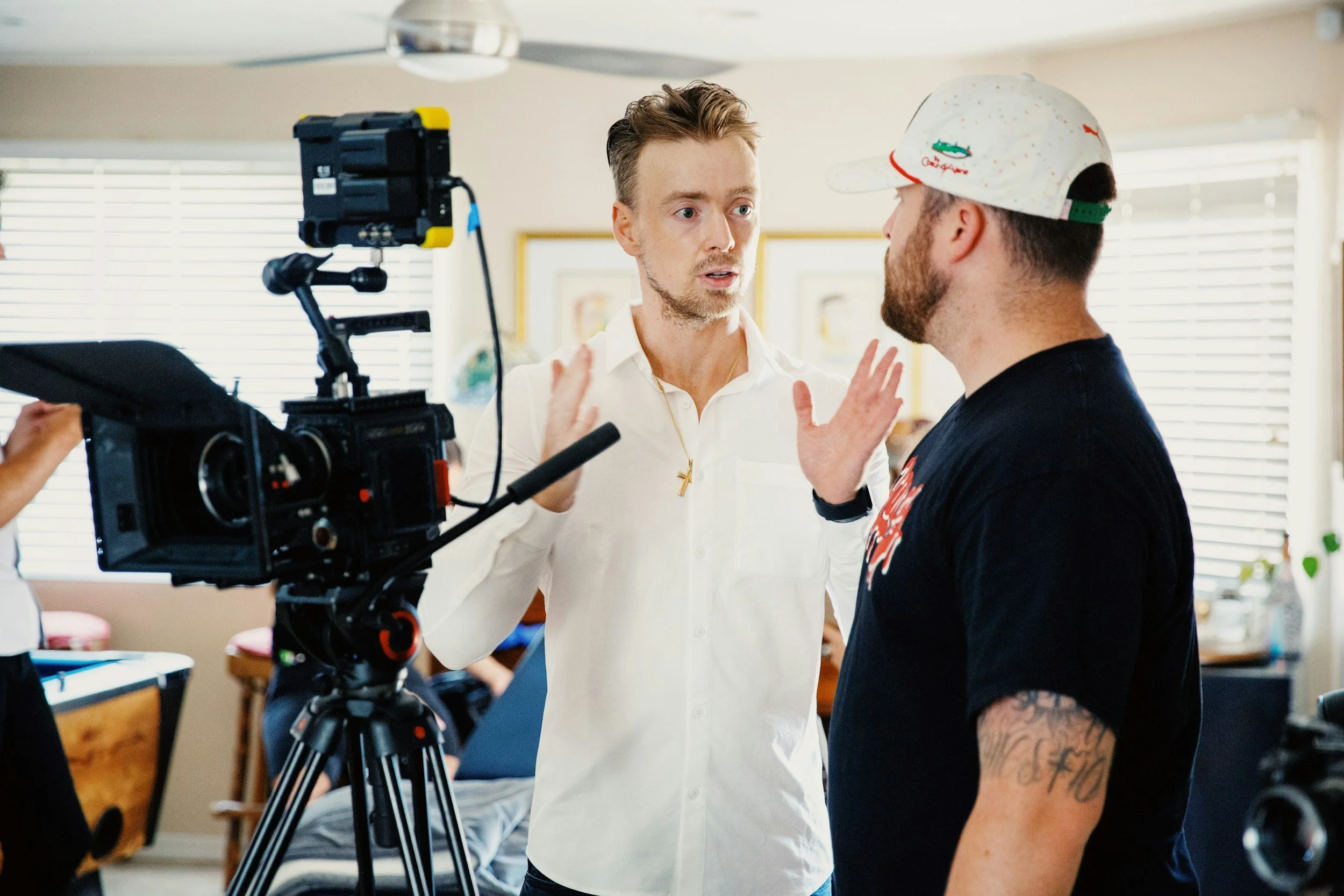
Production Best Practices That Protect Quality
Once you're on set, every decision either protects or undermines the authenticity of the final product.
Lighting, Audio, and Environment
Poor lighting makes confident speakers look unprofessional. Bad audio makes content unwatchable.
Soft, diffused lighting that flatters without looking staged. Natural window light supplemented by fill works well. Avoid harsh overhead or dramatic setups that feel like a commercial.
Audio is non-negotiable. Lavalier or directional mic, close to the subject. Always record backup audio.
Film in the customer's actual workspace when possible. Real environments add credibility studios can't match.
Directing Non-Actors for Natural Delivery
Most customers have never been on camera. Start with five to ten minutes of casual conversation before recording to establish a natural rhythm.
During the interview, maintain eye contact, react naturally, ask follow-ups. The more it feels like conversation, the better the delivery.
If they stumble, don't ask for an immediate repeat. Circle back later with a different question. You'll often get a better version.
Never tell customers what to say. Coaching produces robotic delivery. Craft questions that naturally lead to the topics you need covered.
Record more than you think you'll need. It's common for the best moments to come 20 or 30 minutes into a conversation, once the customer has fully relaxed and is speaking from genuine experience rather than trying to deliver "the right answer." A 45-minute interview gives you plenty of material to find the gold during the edit, even if the final deliverable is only 90 seconds long.
Post-Production: Editing for Impact
Length, Pacing, and Structure
Right length depends on channel: website (90 seconds to three minutes), paid social (30-60 seconds), sales enablement (45-90 seconds).
Pacing should be tight. Cut dead air, false starts, tangents. Every sentence should advance the story. Structure around the arc: problem, decision, outcome.
Graphics, Captions, and Branding
Lower thirds identifying speaker and company are standard. Reinforce key stats with on-screen text.
Captions are mandatory for social distribution. Size for mobile readability, position to not obscure faces, time accurately.
Branding: present but restrained. Logo at beginning and end, branded closing card. Over-branding makes it feel like an ad.
Distribution-Ready Formatting
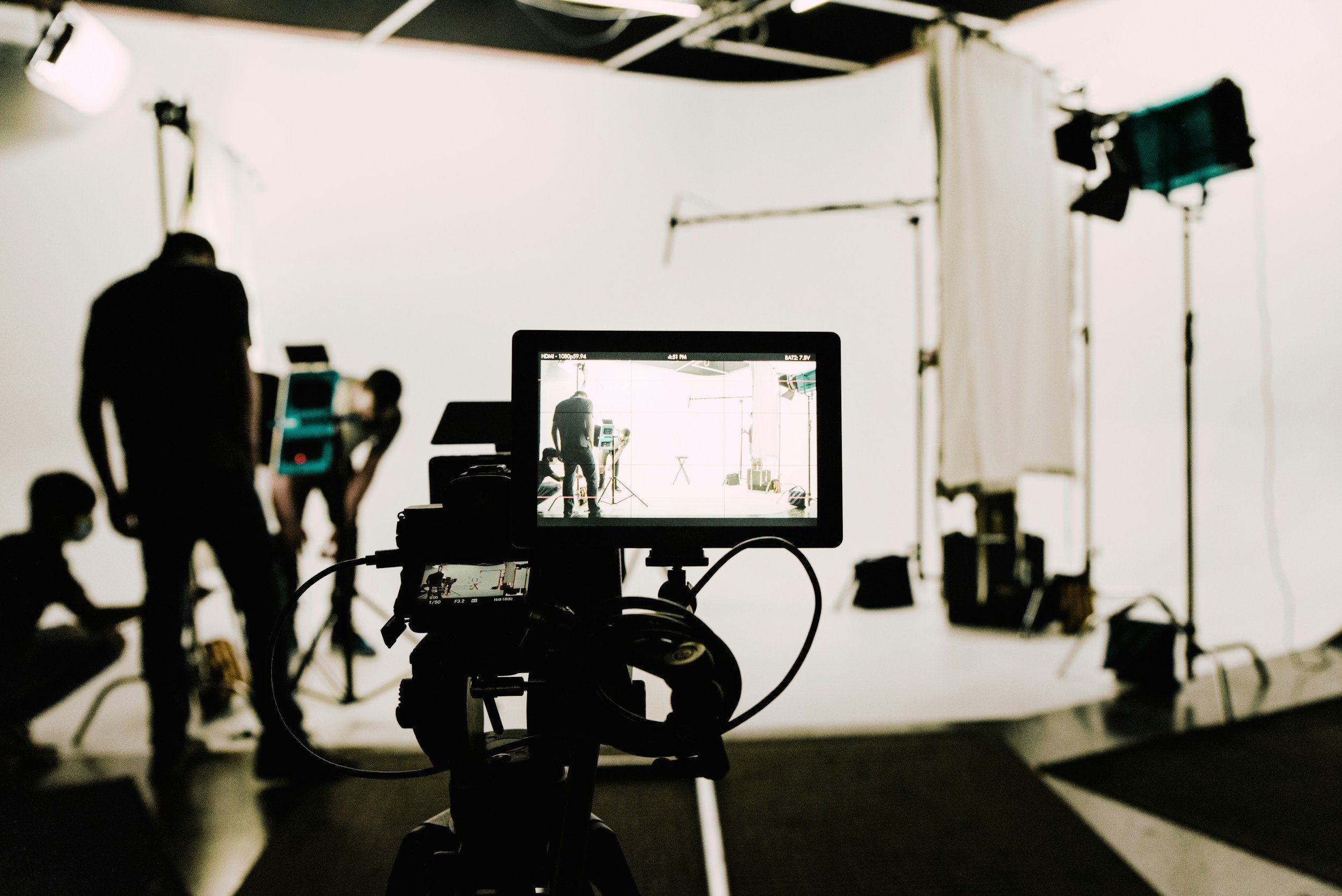
Produce every testimonial video in multiple formats from the start. Capture in landscape for website and YouTube, but frame shots to allow for vertical cropping for social platforms. Export deliverables in the aspect ratios and specs required for each planned distribution channel.
Create a master version and a set of derivative versions during the same editing process. The incremental cost of producing a 30-second cut alongside a three-minute version during the same edit session is minimal compared to re-editing later.
Plan your caption strategy during post-production, not as an afterthought. Burned-in captions should be tested at multiple sizes to ensure readability on mobile screens. Caption styling should be consistent with your brand standards but readable above all else. For platforms where sound-off viewing is common (LinkedIn, Facebook, Instagram Feed), captions aren't optional. They're the difference between your message being received and your video being scrolled past.
Mistakes That Kill Testimonial Credibility
Scripting customers is the top credibility killer. Audiences spot scripted delivery instantly.
Over-producing to the point it feels like a commercial undermines authenticity. High production value is fine, but when every shot looks styled for a magazine, the content feels manufactured.
Choosing customers based on title rather than story quality. A VP delivering vague praise is less effective than a mid-level manager sharing concrete numbers.
Trying to cover too much in one video. A testimonial addressing pricing, features, implementation, support, and ROI feels like a laundry list. Focus each on one or two themes.
The best testimonial videos feel like overhearing a recommendation from someone you trust.