
Testimonial Video Trends 2026: What's Changing and What's Working
The way brands produce and use testimonial video content has shifted significantly over the past two years. The polished, over-produced customer story format that defined corporate testimonials for a decade is giving way to something rawer, more modular, and more strategically integrated into the marketing funnel.
What's driving this shift isn't any single technology or platform change. It's a convergence of factors: audience fatigue with overly polished content, platform algorithms that reward authenticity, new production tools that reduce costs and timelines, and smarter distribution strategies that extract more value from every piece of footage captured.
These aren't speculative predictions. These are patterns already playing out across the brands and agencies producing the most effective testimonial video content in 2026.
The State of Testimonial Video in 2026
Testimonial video production has become more accessible and more strategically sophisticated simultaneously. The barrier to entry has dropped. Smartphones produce broadcast-quality footage. Editing tools are faster and more intuitive. Remote capture technology makes it possible to film customers anywhere in the world without sending a crew.
At the same time, the strategic sophistication around how testimonial content is planned, produced, and distributed has increased. Brands are moving away from producing generic testimonials and toward building segmented libraries of customer stories mapped to specific buyer personas, journey stages, and distribution channels.
The result is that the gap between brands doing testimonial video well and brands doing it poorly is wider than ever. The floor has risen, but the ceiling has risen faster.

Short-Form Testimonials for Social Feeds
The most visible shift in testimonial video is the move toward short-form formats designed for social platform consumption. Full-length three-to-five-minute testimonials still have their place on websites and in sales sequences, but the growth area is in 15-to-60-second clips optimized for scrolling environments.
These short-form testimonials capture a single moment, a single quote, or a single outcome from a longer customer story. They're designed to stop the scroll, deliver one compelling proof point, and drive the viewer to take a next step, whether that's visiting a landing page, watching the full testimonial, or engaging with the post.
The production approach has adapted accordingly. Shoots are now planned with short-form distribution in mind from the start. Interviewers ask questions designed to elicit concise, quotable responses. Camera setups account for vertical cropping. Post-production workflows include short-form cuts as standard deliverables, not afterthoughts.
Employee and Internal Advocacy Videos
A growing number of brands are expanding their definition of "testimonial" to include internal voices. Employee testimonials, team stories, and behind-the-scenes perspectives on how work gets done are proving effective at building trust with both customers and prospective talent.
For B2B brands in particular, featuring the people who deliver the service or build the product adds a layer of credibility that customer testimonials alone can't provide. Prospects want to know who they'll be working with, and employee testimonials put faces and personalities to what would otherwise be an abstract brand promise.
This trend is also fueled by the growing importance of employer branding. Companies competing for talent are using employee testimonial videos to differentiate their culture, values, and working environment in a crowded hiring market.
User-Generated Testimonial Content
The line between produced testimonials and user-generated content has blurred. Brands increasingly encourage customers to capture their own videos, often in exchange for incentives or simply the opportunity to share their story.
Smart brands combine both approaches: professionally produced testimonials for high-stakes placements (websites, sales sequences) and UGC for social media and organic distribution.
UGC also creates a pipeline for identifying future professional testimonial subjects. Customers who produce compelling organic content are natural candidates for in-depth shoots. On platforms where unpolished content is the norm, UGC testimonials blend into the feed in ways produced content can't replicate.
AI-Assisted Editing and Repurposing Workflows
AI tools have compressed the post-production workflow. Reviewing footage, identifying clips, transcribing, captioning, and formatting for multiple platforms now takes a fraction of the time.
AI can analyze footage for emotionally engaging moments, auto-generate accurate transcripts, and suggest edit points. This doesn't replace skilled editors. It accelerates mechanical work so teams can focus on storytelling. A team that previously created three deliverables per shoot can now create ten or more.
Vertical-First, Mobile-Native Production
Vertical video is the default for social distribution, but many productions still treat it as secondary, shooting landscape and cropping in post. The results: awkward framing and content that feels retrofitted.
The strongest brands shoot vertical-first for social, with landscape captured simultaneously for web and YouTube. Dual-capture requires intentional framing but eliminates the compromises of forcing one format across all placements.
Testimonial Series Over One-Off Videos
Single testimonial videos are being replaced by serialized content programs. Rather than isolated stories, brands are building series around common themes: specific challenges, industries, or use cases.
Series build expectations and viewing habits. They create more opportunities for prospects to find resonant stories and maintain consistent social proof across channels. Five customers from different industries discussing the same challenge creates a cumulative impression more powerful than any single testimonial.
Serialization also creates distribution momentum. Each new installment re-promotes previous episodes, extending reach and driving binge-viewing behavior.
What These Trends Mean for Production Teams
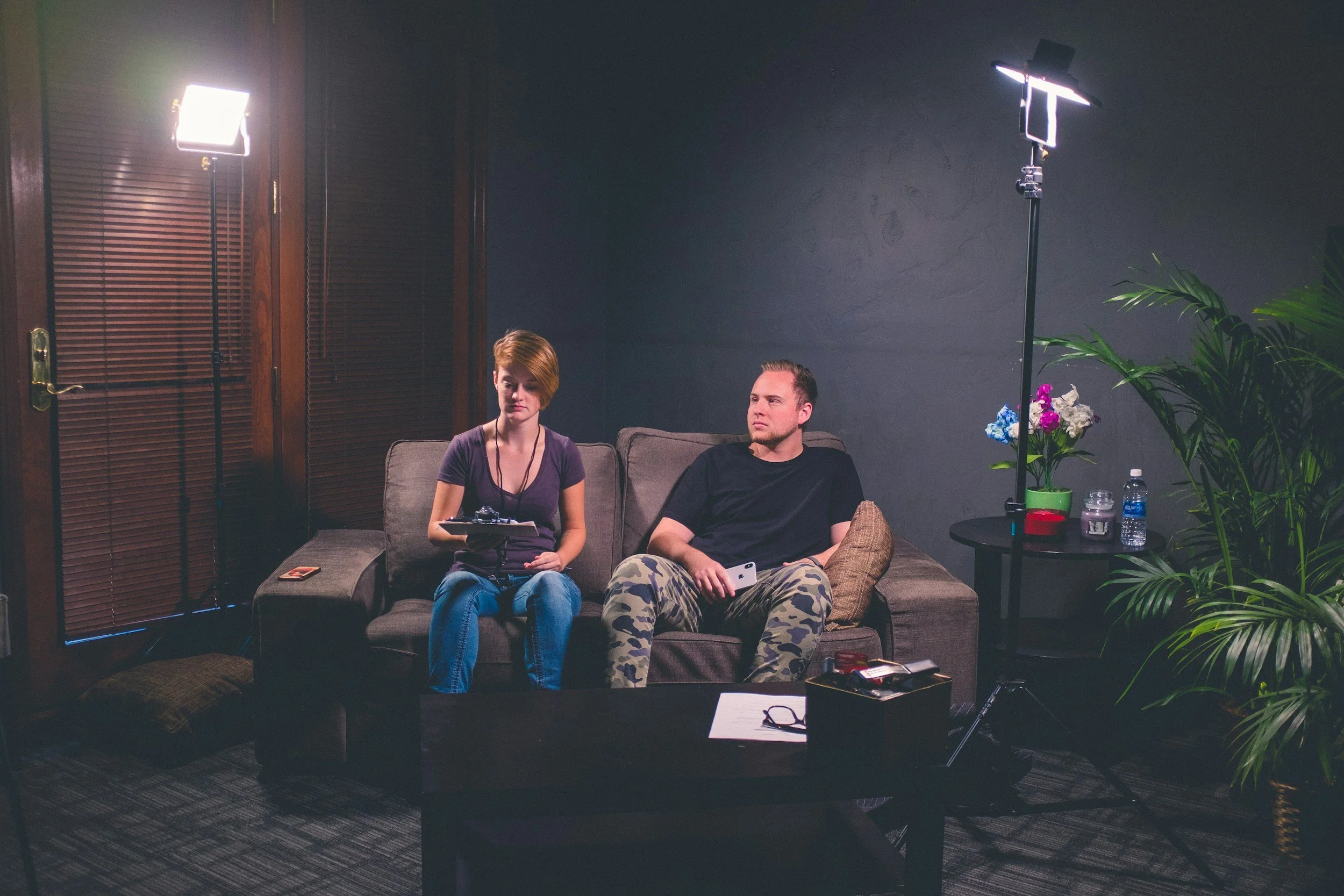
Production teams need to plan for multiple formats from the start of every shoot. Post-production workflows must accommodate higher volumes of derivative content. Distribution strategies belong in the production brief, not bolted on after delivery.
The role of production is expanding beyond capture and polish. Teams are expected to think strategically about distribution, repurposing, and measurement. Investing in AI-assisted editing and templated workflows pays for itself when each shoot yields ten or more assets.
How to Future-Proof Your Testimonial Strategy
Build flexibility into production. Shoot for both landscape and vertical. Capture enough variety for multiple short clips alongside full-length versions. Plan distribution before production begins.
Develop relationships with "ambassador" customers willing to participate in multiple projects over time. Align your content calendar with business priorities: schedule production ahead of launches and front-load testimonials in growth-focus verticals.
Formats and platforms will keep changing. The power of a real person sharing a genuine experience will not.