
Testimonial Videos: Building Trust With Real Voices
Your potential customers don't trust you. That sounds harsh, but here's the reality: in a market saturated with polished marketing messages and AI-generated content, buyers have become extraordinarily skeptical of anything that comes directly from a brand. They scroll past your ads. They skim your case studies. They tune out your sales pitches.
But something interesting happens when a real person—someone who actually used your product or service—shares their honest experience on camera. Skepticism fades. Walls come down. Trust builds.
That's the power of testimonial videos. These aren't just marketing assets; they're trust engines that convert hesitant prospects into confident buyers. This guide covers everything you need to know about creating testimonial videos that build trust with real voices—from strategy and production to distribution and measurement.
Why Video Testimonials Outperform Every Other Form of Social Proof
Written reviews still have their place, but video testimonials operate on a different level entirely. There's a reason 72% of customers trust a brand more with positive video testimonials and more than 91% of businesses are using videos as a marketing tool in 2025.
The difference comes down to authenticity. When prospects watch a real customer describing their experience—complete with genuine emotion, natural pauses, and unscripted enthusiasm—it triggers something text simply cannot replicate.
The Trust Factor: What the Data Reveals
The numbers tell a compelling story about customer testimonial videos and their impact on buying behavior:
92% of consumers trust a video testimonial more than traditional advertisements. This isn't just a slight preference; it represents a fundamental shift in how people evaluate brands before making purchasing decisions.
Video testimonials helped 71% of consumers feel more confident in a product's claims compared to just 38% who felt the same after reading written reviews. That confidence gap is massive—and it translates directly into conversion rates and revenue.
64% of consumers are more likely to buy a product or service online after watching a video testimonial showcasing it. Your customer success stories become your most effective sales team, working around the clock to build credibility.
Why Real Customers Beat Polished Ads
Here's what makes testimonial videos particularly powerful in 2025: testimonial videos recorded in informal settings (like a living room or office) scored 41% higher on trust than those filmed in studio setups, which averaged just 26%.
This flips traditional production logic on its head. The "imperfections" that would typically get edited out—the lived-in background, the unscripted dialogue, the genuine enthusiasm—actually make testimonials more believable.
67% of first-time buyers said that seeing a video testimonial made them feel more comfortable purchasing an unfamiliar brand, compared to only 35% who felt that way with written reviews.
For new brands or companies entering competitive markets, this represents a strategic advantage. Client testimonial videos can accelerate trust-building in ways that would take years to achieve through traditional brand marketing.
Types of Customer Testimonial Videos That Convert
Not all video testimonials serve the same purpose. The format you choose should align with your marketing goals, target audience, and where prospects encounter the content in their buying process.
The Classic Interview Format
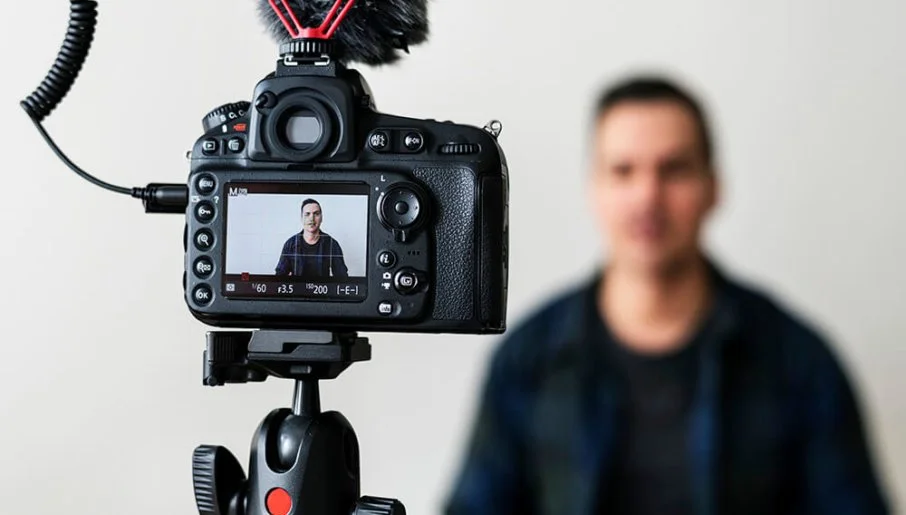
This is the most recognizable style: a customer on camera, answering questions about their experience with your product or service. The interviewer stays off-camera, creating a direct connection between the viewer and the customer telling their story.
What makes this format effective:
The conversational tone feels natural and unrehearsed
Viewers can read facial expressions and body language
Questions guide the narrative while allowing for authentic responses
Easy to edit into multiple shorter clips for social media
Before-and-After Case Study Videos
These testimonials show concrete transformation. The customer describes their situation before using your product or service, then contrasts it with their results after implementation.
Before-and-after testimonial videos send an impactful message. There's an obvious distinction between how life was before your offerings entered the scene, and after it—highlighting the benefits of your offer loud and clear.
This format works particularly well for:
Service-based businesses showing measurable outcomes
Products that solve visible problems
B2B solutions with quantifiable ROI
Health and wellness brands
Documentary-Style Customer Stories
Longer-form testimonials (2-5 minutes) that tell a complete story work well on landing pages and for prospects deep in the consideration phase. These video case studies include context about the customer's business, the challenges they faced, and how your solution fit into their broader strategy.
For your website (homepage and landing pages), you have a bit more breathing room. A video that's 1-3 minutes long works perfectly. Prospects visiting these pages are already interested; they want the full picture.
User-Generated Video Reviews
Sometimes the most persuasive testimonials are the ones you don't produce at all. Encouraging customers to record their own videos and share them on social platforms creates content that feels completely authentic—because it is.
58% of consumers said they were more likely to try a new brand after watching a testimonial from someone with a similar background or lifestyle, compared to just 31% when the testimonial didn't feel relatable.
User-generated testimonials often outperform polished productions because prospects recognize themselves in the customers sharing their experiences.
Remote Video Testimonials
The rise of remote work and hybrid operations has made remote video collection a standard practice. Remote is cost-effective and scalable in 2025's hybrid world. Customers record testimonials from their own environments, which often adds authenticity while dramatically reducing production costs and logistics.
How to Create Testimonial Videos That Actually Work
Producing effective testimonial videos requires more than pointing a camera at a happy customer and asking them to say nice things. The best testimonials follow a structured approach while preserving the authentic, unscripted feel that makes them persuasive.
Finding the Right Customers to Feature
Your testimonial video is only as strong as the person delivering it. Make sure the testimonials resonate with your broader audience and reflect common customer concerns, needs, or success stories. Look for clients who can speak confidently and passionately about their experiences.
Criteria for selecting testimonial participants:
They represent your target audience (prospects should see themselves in these customers)
They experienced measurable, specific results
They can articulate their experience clearly and with genuine enthusiasm
They're willing to share their story publicly
Their use case addresses common objections or concerns
Video testimonials featuring real names and locations were rated as 2.7x more credible than anonymous ones. Getting customers comfortable with being identified is worth the extra effort.
Crafting Questions That Draw Out Great Stories
The questions you ask determine whether you get generic praise or compelling narratives. Ask the right questions: use open-ended, storytelling-focused questions to capture genuine responses.
Effective testimonial questions follow a problem-solution-result structure:
Discovery questions:
What problem were you trying to solve when you found us?
What was happening in your business that made this a priority?
What solutions had you tried before?
Experience questions:
What was your first impression when you started working with us?
Walk me through how you use the product/service in your daily work
What surprised you most about working with us?
Results questions:
What specific results have you seen?
How has this changed your business/life?
What would you tell someone considering working with us?
Emphasize storytelling: structure the testimonial around a clear problem-solution-result narrative.
Production Quality That Builds Credibility
While authenticity often trumps polish, production quality still matters. 87% of consumers say video quality affects their trust in a brand.
Essential production elements:
Lighting: Natural light works well, but supplement with softbox lights to eliminate harsh shadows. The goal is clear, flattering illumination that doesn't look like a professional studio.
Audio: This is non-negotiable. Poor audio destroys credibility faster than anything else. Use lavalier microphones or high-quality external mics. If possible, choosing a high-quality microphone will make all the difference to the sound when you record video testimonials.
Background: Choose an environment that provides context without distraction. A customer's actual workspace or home often works better than a blank wall or studio backdrop.
Camera stability: Use a tripod or stabilizer. Shaky footage looks unprofessional and distracts from the message.
Length Guidelines for Different Platforms
Viewers rated testimonial clips that were under 90 seconds as 2.5x more trustworthy than those longer than 3 minutes.
Platform-specific recommendations:
Social media feeds and ads: 30-60 seconds. People are scrolling fast, so you need to hit them with the most powerful part of the story right away.
Website landing pages: 1-3 minutes. Prospects here have indicated interest and want more detail.
Email marketing: 60-90 seconds max. Include a compelling thumbnail and clear call to action.
YouTube and long-form content: 2-5 minutes for in-depth case studies. Include chapter markers for easy navigation.
The Editing Process: Keeping It Real
Post-production should enhance authenticity, not manufacture it. Keep the video concise—typically around 1-2 minutes in length—while focusing on the most impactful parts of the customer's story. Trim excess content to ensure the video remains engaging, but don't lose the authenticity of the testimonial by over-editing.
Editing priorities:
Cut filler words and long pauses without making cuts feel jarring
Add subtle branding (logo, colors) without overwhelming the testimonial
Include captions—testimonial videos with dynamic subtitles kept viewers engaged for 82% of the video, while those without subtitles retained attention for only 58%
Layer in B-roll footage of your product in use when relevant
Keep background music minimal so it doesn't compete with the speaker's voice
Strategic Placement: Where Testimonials Drive Maximum Impact
Creating great testimonial videos is only half the equation. Strategic placement determines whether those videos actually influence buying decisions.
Homepage and Landing Pages
Brands using testimonials on their product page or landing page see a 34% increase in conversion rate.
Position testimonial videos prominently above the fold or immediately after your value proposition. Use testimonials that address the primary concerns of first-time visitors.
Product and Service Pages
Match testimonials to specific offerings. A prospect researching a particular product should see testimonials from customers who purchased that same product. Products with visible video testimonials were added to carts 2.9x more often than those with none.
Checkout and Conversion Points
A single testimonial video featured on the checkout page drove a 32% increase in sales. When prospects are on the verge of purchasing, a well-placed testimonial can provide the final push.
Email Campaigns
Adding a video to an email can increase click-through rates by 200-300%. Use testimonial video thumbnails in:
Welcome sequences for new subscribers
Nurture campaigns for leads who haven't converted
Post-purchase communications to reinforce buying decisions
Re-engagement campaigns for inactive contacts
Social Media Distribution
Carousel formats with multiple short testimonials had a 63% swipe-through rate, while single long-form testimonial posts averaged only 39%.
Break longer testimonials into shorter clips for platform-native content. Create variations optimized for different formats: vertical for Instagram Reels and TikTok, square for Facebook feeds, horizontal for YouTube.
Paid Advertising
When video testimonials appeared on influencer landing pages, buying intent increased by 38%. Testimonial-based ads often outperform brand-produced creative because they don't trigger the immediate skepticism that polished commercials generate.
Building a Testimonial Collection System That Scales
The best companies don't treat testimonials as one-off projects. They build systems that generate continuous streams of customer stories.
Timing Your Requests
Ask for testimonials at moments of peak satisfaction:
Immediately after a successful implementation or delivery
When customers report positive results or milestones
After positive support interactions
At subscription renewal (for customers who choose to stay)
Following referrals (customers who recommend you are clearly satisfied)
Incentives That Work
Use incentives like discounts to boost participation rates up to 30%. Effective incentives include:
Discounts on future purchases
Extended service periods or premium features
Branded merchandise
Charitable donations in the customer's name
Early access to new features or products
Remote Collection Tools
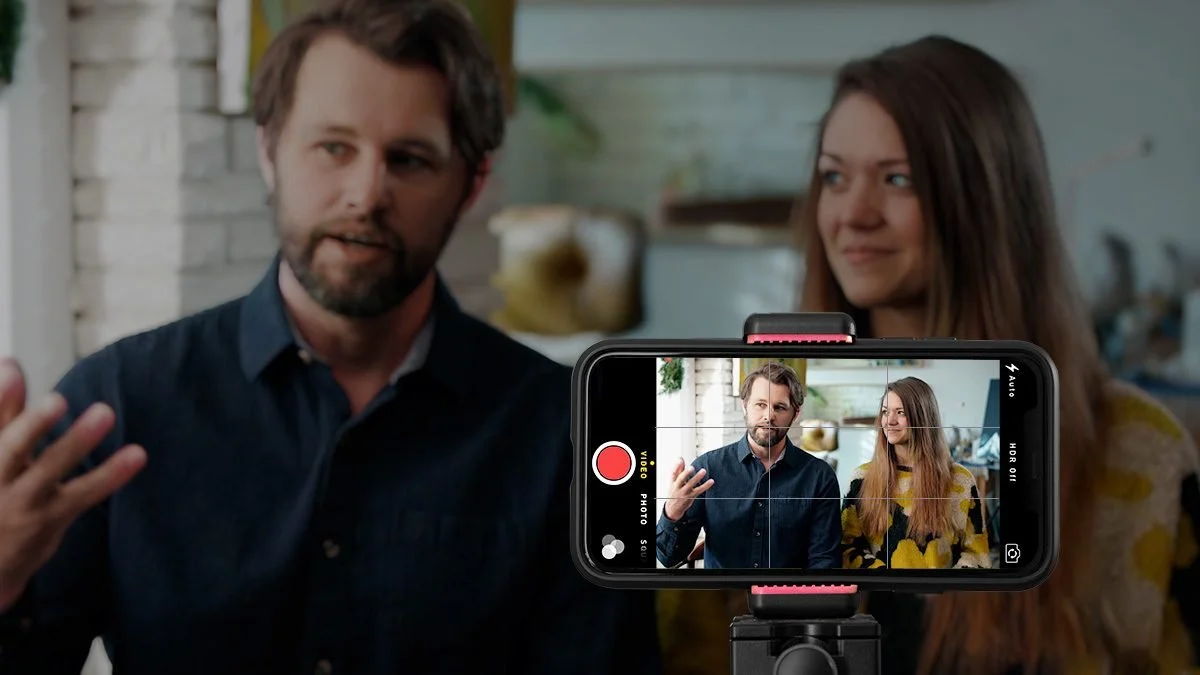
Modern platforms make collecting testimonial videos straightforward. Customers receive a link, record their testimonial on their own device, and submit it directly to your system. This removes scheduling barriers and captures testimonials when enthusiasm is highest.
Creating an Advocacy Community
Develop a tiered rewards program that offers meaningful incentives—exclusive access, premium features, branded merchandise, or monetary compensation—for customers who take the time to create and share their stories. Customers become active brand ambassadors, generating an ongoing supply of authentic content.
Measuring Testimonial Video Performance
Tracking the right metrics ensures your testimonial strategy continuously improves.
Engagement Metrics
View completion rates (what percentage watch to the end?)
Average watch time by platform
Shares, saves, and comments
Click-through rates from video to conversion pages
Conversion Metrics
Landing page conversion rates with vs. without testimonials
Cart abandonment rates
Time to purchase for prospects who viewed testimonials
Lead quality scores for testimonial-generated leads
Attribution and ROI
Revenue attributed to testimonial touchpoints
Customer acquisition cost for testimonial-influenced conversions
Testimonial production cost vs. conversion value generated

Avoiding Common Testimonial Video Mistakes
Over-Scripting
Testimonials should sound like real people talking, not actors reading lines. Provide guidance and talking points, but never scripts. Effective video testimonials create an emotional connection: your client should speak from experience and from the heart so that their testimonial sounds authentic.
Ignoring Audio Quality
Viewers will tolerate slightly less-than-perfect video, but bad audio makes content unwatchable. Invest in proper microphones and record in quiet environments.
Generic Praise Without Specifics
"They were great to work with" means nothing. Push for specifics: numbers, timelines, concrete examples, measurable outcomes. Specificity builds credibility.
Forgetting the Problem
Testimonials that jump straight to praise miss the power of contrast. The viewer needs to understand what the customer was struggling with before they can appreciate the solution.
One-and-Done Thinking
A single testimonial won't carry your marketing. You need volume, variety, and freshness. Build systems that generate new testimonials continuously.
The Future of Video Testimonials in 2025 and Beyond
Among marketing teams that launched new customer experience initiatives, 56% incorporated video testimonials as part of their strategy. This isn't a trend—it's becoming standard practice for companies serious about building trust at scale.
87% of businesses now feature video testimonials as part of their marketing strategy, a 21% increase over the last two years.
As AI-generated content becomes more prevalent, authentic human testimonials will only become more valuable. They represent one of the few forms of content that can't be easily fabricated and that prospects instinctively trust.
43% of users said they trusted brands more when they saw multiple video testimonials across different platforms, compared to 21% for brands with only a single platform presence.
The companies winning with testimonial videos aren't just creating them—they're building entire content ecosystems around real customer voices.
Putting Real Voices to Work for Your Brand
Testimonial videos work because they do something no amount of brand marketing can accomplish: they let your satisfied customers do the selling for you. In a marketplace drowning in noise and manufactured authenticity, real voices cut through.
Start by identifying three customers who've seen real results from working with you. Reach out with a simple ask: would they be willing to share their experience on camera? Most satisfied customers are happy to help—they just need to be asked.
From there, build systems that capture testimonials consistently. Place them strategically throughout your customer's path to purchase. Measure what works and refine your approach.
The brands that master testimonial videos—those that truly capture real customer voices and deploy them effectively—build the kind of trust that translates directly into growth.
Frequently Asked Questions About Testimonial Videos
How long should a testimonial video be?
For social media, keep testimonial videos between 30-60 seconds to capture attention quickly. Website landing pages can support longer testimonials of 1-3 minutes, while detailed case study videos can run 2-5 minutes for prospects deep in the consideration phase. Viewers rated testimonial clips that were under 90 seconds as 2.5x more trustworthy than those longer than 3 minutes.
How much does it cost to produce a testimonial video?
Costs vary widely based on your approach. DIY options cost under $100/month; agencies run $5,000+. Remote testimonial collection tools have made professional-quality videos accessible without the expense of traditional production crews. 44% of marketers said they spent above $15,000 to produce a single video testimonial when using third-party agencies, though this isn't necessary for effective results.
Should testimonial videos be professionally produced or authentic/DIY?
Authenticity typically wins. Testimonial videos recorded in informal settings (like a living room or office) scored 41% higher on trust than those filmed in studio setups. Focus on good audio quality and adequate lighting while letting the natural environment add credibility.
How many testimonial videos do I need?
There's no maximum. 43% of users said they trusted brands more when they saw multiple video testimonials across different platforms. Aim for variety—different customer types, use cases, and industries (if applicable). Build systems that generate new testimonials continuously rather than treating them as one-time projects.
Where should I place testimonial videos on my website?
Position testimonials prominently on your homepage, product pages, pricing pages, and checkout pages. Brands using testimonials on their product page or landing page see a 34% increase in conversion rate. A single testimonial video featured on the checkout page drove a 32% increase in sales.
How do I get customers to agree to testimonial videos?
Ask at moments of peak satisfaction—after successful implementation, when customers report positive results, or following positive support interactions. Use incentives like discounts to boost participation rates up to 30%. Make the process easy with remote recording tools that let customers record on their own time.
Do testimonial videos actually increase sales?
Yes, substantially. Businesses using video testimonials have 49% more sales than those without. Video testimonials can increase conversion rates by 80%. Compared to written reviews, video testimonials generate 2.7x more purchase decisions.
What questions should I ask in a testimonial video?
Focus on problem-solution-result storytelling. Ask about the challenge they faced before finding you, their experience working with you, and the specific results they've achieved. Use open-ended, storytelling-focused questions to capture genuine responses. Avoid yes/no questions that don't allow for detailed answers.
Ready to put real customer voices to work for your brand? At The Aux Co, we help brands create testimonial videos and customer story content that builds trust and drives results. As your embedded creative partner, we work alongside your team from strategy through production—not as a vendor, but as an extension of your creative capabilities. Contact The Aux Co to discuss how we can help capture the authentic customer stories that grow your business.