
The Process Behind Testimonial Video Production: A Complete Guide to Capturing Authentic Customer Stories
Your best marketing asset isn't sitting in your creative brief. It's sitting in your customer's experience.
Testimonial video production has become one of the most powerful tools in modern marketing, yet most brands approach it like an afterthought—calling in a crew at the last minute, asking generic questions, and wondering why the final product feels flat. The truth is that creating compelling customer testimonials requires the same strategic thinking and meticulous execution as any major campaign.
This guide breaks down the complete process behind testimonial video production—from pre-production planning through post-production delivery—so you can capture authentic stories that actually move the needle for your business.
Why Testimonial Videos Are Non-Negotiable for Modern Brands
Before diving into process, let's ground this in reality: testimonial videos aren't a nice-to-have anymore. They're table stakes.
According to recent research, 39% of video marketers created testimonial content in 2024, making it the most popular use case for video marketing. And there's good reason for that dominance. Studies show that 72% of customers trust a brand more after watching positive video testimonials, and these videos can increase landing page conversions by up to 80%.
The numbers tell a clear story, but the why behind them matters even more. In a marketplace flooded with AI-generated content and polished brand messaging, video testimonials cut through because they offer something increasingly rare: authenticity. A real person, sharing a real experience, with all the natural pauses and genuine emotion that comes with unscripted storytelling.
The brands winning right now understand that consumers aren't looking for more advertising—they're looking for proof. Testimonial videos provide that proof in the most compelling format available.
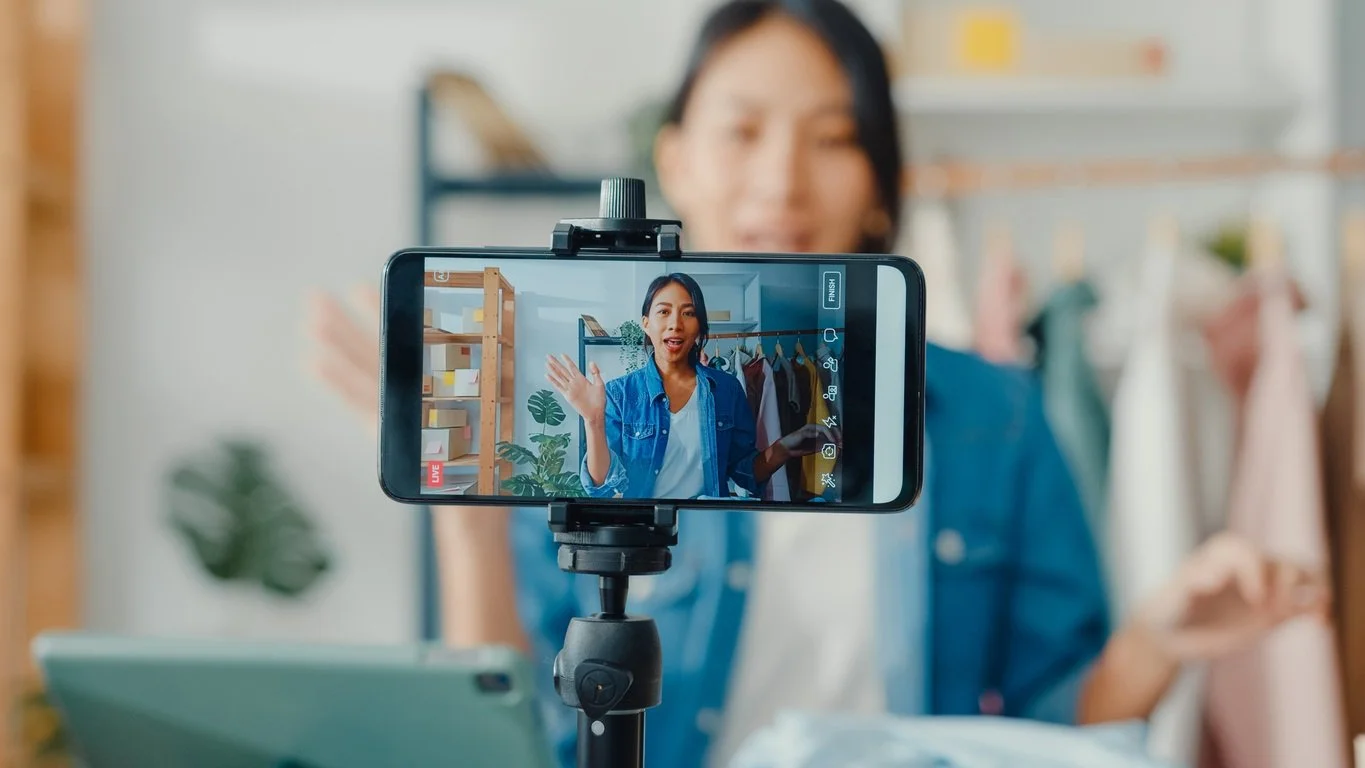
The Three Phases of Professional Testimonial Video Production
Effective client testimonial video production follows a clear three-phase structure: pre-production, production, and post-production. Each phase builds on the last, and skipping steps in early phases always creates problems later.
Phase One: Pre-Production Planning
Pre-production is where most testimonial projects succeed or fail. This phase typically runs one to two weeks and covers everything from customer selection to interview preparation.
Selecting the Right Customers to Feature
Not every satisfied customer makes a great testimonial subject. The best candidates share three characteristics:
They've achieved measurable results with your product or service. Vague praise doesn't move prospects—specific outcomes do. A customer who can say "we reduced our production timeline by 40%" will always outperform one who says "the team was really helpful."
They represent your target audience. Your ideal testimonial subjects should mirror your ideal customers. This means considering industry, company size, use case, and even personality. When prospects watch your testimonial, they should see themselves reflected in the customer's story.
They can articulate their experience naturally. Some customers may love your product but struggle to express that on camera. During initial outreach, pay attention to how they describe their experience in conversation. The customers who tell compelling stories informally will tell compelling stories on camera.
Developing Interview Questions
The interview is the backbone of any customer testimonial video. Strong questions elicit specific, emotional, and useful responses. Weak questions produce generic answers that could apply to any company.
Structure your questions around a narrative arc:
The "before" questions establish the customer's initial situation and challenges. What problem were they trying to solve? What had they tried before? What was at stake if they didn't find a solution?
The "during" questions explore the experience of working with you. What was the implementation process like? Were there any surprises along the way? How did the team interact with yours?
The "after" questions capture results and transformation. What changed after implementation? What specific metrics improved? What would they tell someone considering your solution?
Avoid yes/no questions and leading prompts. Instead of "Were you happy with our customer service?" try "Walk me through a time when you needed to reach our support team."
Logistics and Planning
Pre-production logistics cover scheduling, location scouting, and preparation materials for your customer.
Choose filming locations that add visual interest while remaining appropriate for your brand. A customer's office can work well for B2B testimonials, providing natural b-roll opportunities and reinforcing the real-world context of their story. For consumer brands, homes or relevant lifestyle settings often feel more authentic than studios.
Send your customer a preparation document one week before filming. This should include:
Interview questions (not a script—you want natural responses, not rehearsed lines)
Wardrobe guidance (solid colors typically work best; avoid small patterns and logos from other brands)
Day-of timeline and expectations
Contact information for the production point person
Confirm all legal requirements are handled. Video release forms should be signed before cameras roll, not after.
Phase Two: Production Day
The production phase is typically the shortest—often just one to three days—but requires the most precision. Every decision made on set affects your final deliverable.
Setting Up the Environment
Technical setup should happen before your customer arrives. This means testing audio, video, and lighting at least an hour before the scheduled interview time. Your customer's time is valuable, and nothing creates awkwardness faster than watching a crew troubleshoot equipment problems while they wait.
Audio quality deserves special attention. Viewers will forgive slightly imperfect video, but poor audio immediately undermines credibility. Use lavalier microphones for clean voice capture, and always record room tone for post-production flexibility.
For lighting, prioritize natural light when possible, supplemented with professional lighting equipment to fill shadows and create depth. The goal is a look that feels polished but not artificial—your customer should look their best while still looking like themselves.
Conducting the Interview
The interview itself typically runs 30 to 45 minutes, though you may only use two to three minutes in your final cut.
Start with warmup questions to help your customer relax. Ask about their role, how long they've been with their company, or even what they had for breakfast. The goal is to get them comfortable with the camera and the conversation format before moving to substantive questions.
Maintain eye contact with your customer throughout the interview—they should look at the interviewer, not the camera. This creates a conversational feel in the final video rather than a presentational one.
Let silence do its work. When a customer finishes answering, wait a beat before moving to the next question. Often, the most valuable insights come in those moments when people feel compelled to fill the quiet with additional thoughts.
Capturing B-Roll Footage
B-roll footage adds visual variety and context to your testimonial video. Plan to spend approximately 30 minutes capturing supplementary footage.
Effective b-roll for testimonials includes:
The customer working in their environment
Team interactions and collaboration
Your product or service in action
Detail shots of relevant objects or spaces
Walking shots and transitional moments
This footage serves double duty: it makes your final video more engaging while also giving your editor flexibility to cut between shots when needed.
Phase Three: Post-Production and Editing
Post-production is where raw footage transforms into a finished testimonial. This phase typically runs one to two weeks and includes editing, review cycles, and final delivery.
Editing the Narrative
Strong testimonial editing follows a clear story arc. Open with the customer's challenge, move through their experience with your solution, and close with results and recommendation.
Keep the focus on authenticity. The most effective testimonial videos feature natural speech patterns, including occasional pauses and conversational fillers. Over-editing these elements out creates a polished but hollow result.
Aim for the right length based on your distribution strategy:
Social media clips: 30 to 60 seconds
Website landing pages: 90 seconds to two minutes
Sales enablement: two to three minutes
Long-form documentary style: five minutes or more
Add branding elements subtly. Your logo, colors, and typography should feel integrated rather than intrusive. Lower thirds, end screens, and transitions should all align with your visual identity without competing with your customer's story.
Technical Polish
Professional post-production includes:
Color correction to ensure visual consistency
Audio mixing and background music selection
Motion graphics and text overlays
Subtitles and captions for accessibility
Captions deserve particular attention. Most social platforms auto-play videos without sound, and a significant percentage of viewers watch with audio muted. Accurate, well-timed subtitles ensure your message reaches viewers regardless of how they consume the content.
Review and Approval
Build in time for review cycles. Your internal team should review first, followed by a review from the featured customer. Most testimonial projects require two to three revision rounds before final approval.
Final delivery should include multiple versions optimized for different platforms:
Full-length master file
Social media cuts (square, vertical, and horizontal formats)
Thumbnail images
Transcript document

How Professional Testimonial Production Differs From DIY Approaches
The decision between professional video testimonial services and in-house production depends on your goals, budget, and internal capabilities.
DIY testimonials using smartphones can produce decent results when done thoughtfully. Modern phones capture excellent video quality, and basic external microphones significantly improve audio. For startups and smaller brands with limited budgets, this approach can generate usable content.
However, professional testimonial video production offers advantages that scale with your investment:
Expertise in making customers comfortable. Professional crews know how to put non-actors at ease, drawing out natural responses rather than stiff performances.
Technical quality that builds credibility. According to research, 91% of consumers say video quality impacts their trust in a brand. Professional lighting, audio, and editing signal that your brand—and by extension, your product—meets high standards.
Strategic storytelling. Professional producers don't just capture footage; they craft narratives. They know which questions to ask, which moments to feature, and how to structure a story that moves viewers toward action.
Efficiency and reliability. Professional teams handle logistics, manage timelines, and troubleshoot problems before they affect your customer's experience. This matters especially when featuring high-profile customers whose time is extremely valuable.
Investment in professional production typically ranges from $1,000 to $15,000 per testimonial, with some complex productions exceeding $50,000. The right budget depends on your distribution strategy, the competitive context in your industry, and the lifetime value of customers you're trying to attract.
Best Practices for Testimonial Video Production
After producing hundreds of testimonial videos across industries, certain principles consistently separate effective content from forgettable content.
Focus on Specificity Over Generality
Generic praise accomplishes nothing. "Great product, great team" could apply to any company. Specific details—numbers, timelines, concrete examples—give your testimonial credibility and memorability.
Prepare your customers by asking them to gather relevant data before the interview. What metrics improved? How long did implementation take? What did the before and after look like?
Let Authenticity Lead
The power of testimonials comes from their authenticity. Resist the temptation to over-script or heavily direct your customers. Natural speech patterns, genuine emotion, and unforced enthusiasm are more persuasive than polished performances.
This means accepting some imperfection. A slight stumble followed by a laugh is often more compelling than a flawlessly delivered line.
Invest in Pre-Interviews
A 15-minute phone call before filming can dramatically improve your production day. Pre-interviews help you identify the strongest stories, prepare better questions, and give customers a preview of what to expect.
Think Beyond the Single Video
Modern testimonial production should generate multiple assets from a single shoot. Plan your interview questions and b-roll capture to support:
Multiple short-form social clips
A long-form hero video
Audio excerpts for podcasts
Pull quotes for written content
Still images for advertising
This multiplier approach increases your return on production investment significantly.
Choose Customers Who Mirror Your Prospects
The most effective testimonials feature customers who look like the people you're trying to reach. Consider demographics, company type, use case, and even communication style when selecting participants.
Where to Use Your Finished Testimonial Videos
Strategic distribution maximizes the impact of your production investment.
Website integration places testimonials on landing pages, product pages, and dedicated case study sections. Videos embedded near conversion points—pricing pages, signup forms, contact sections—have the highest impact on conversion rates.
Social media extends reach through platform-native formats. Create platform-specific versions optimized for LinkedIn, Instagram, TikTok, and YouTube.
Sales enablement arms your sales team with powerful proof points. Testimonials can be shared in prospecting emails, included in proposals, and featured during sales presentations.
Email marketing incorporates video thumbnails that drive clicks. Including "video" in an email subject line can increase open rates by 19% and click-through rates by 65%.
Events and webinars showcase testimonials during live presentations, adding social proof at moments when prospects are actively engaged with your brand.
Paid advertising uses testimonial clips in social ads and video campaigns. User-generated style testimonials often outperform polished brand creative in advertising contexts.
Common Mistakes in Customer Testimonial Video Production
Avoid these pitfalls to ensure your testimonial investment pays off:
Waiting too long to involve production. The best testimonials integrate production thinking from the start. When production teams understand your goals, audience, and brand standards early, they can make better decisions throughout the process.
Choosing customers based only on enthusiasm. Enthusiasm matters, but so does story quality and demographic fit. A moderately enthusiastic customer with a compelling, specific story often outperforms an extremely enthusiastic customer with only generic praise to offer.
Over-controlling the message. Testimonials work because they're authentic. Heavy scripting, excessive direction, and aggressive editing undermine the very quality that makes testimonials effective.
Neglecting audio quality. Poor audio is the fastest way to lose viewers. Invest in proper microphones and recording environment, even when working with limited budgets.
Failing to plan for distribution. Capture and edit with your distribution channels in mind from the beginning. A testimonial shot and edited for YouTube requires different considerations than one destined for Instagram Stories.
Frequently Asked Questions About Testimonial Video Production
How long does the testimonial video production process typically take?
A standard customer testimonial video takes two to five weeks from kickoff to final delivery. This includes one to two weeks for pre-production planning, one to three days for filming, and one to two weeks for post-production editing and revisions. Timelines can compress or extend based on customer availability, project complexity, and number of testimonials being produced.
What does professional testimonial video production cost?
Costs range widely based on scope and quality level. Basic productions start around $1,000, while professional agency-quality testimonials typically fall between $14,000 and $20,000. High-end productions with complex logistics, multiple locations, or premium talent can exceed $50,000. Many brands find the sweet spot between $5,000 and $15,000 for testimonials that balance quality with budget efficiency.
How do I convince customers to participate in testimonial videos?
Focus on the value to them, not just to you. Appearing in a professional video provides your customer with content they can use for their own LinkedIn presence or company marketing. Make participation easy by handling all logistics. Offer a preview of questions so they feel prepared. Time the request appropriately—after a successful project milestone or positive interaction, not during a busy period.
What's the ideal length for a customer testimonial video?
Length depends on distribution channel and audience attention span. For social media, aim for 30 to 60 seconds. For website landing pages, 90 seconds to two minutes works well. Sales teams often prefer two to three minute versions that provide more detail. The key is capturing enough content during filming to create multiple versions optimized for different contexts.
Should testimonial videos be scripted?
No. Scripted testimonials lose the authenticity that makes testimonials effective. Instead, prepare questions in advance and share them with your customer so they can think about their responses. During filming, guide the conversation but allow natural expression. The goal is structured spontaneity—a clear narrative framework filled with genuine, unscripted responses.
What equipment do I need for testimonial video production?
At minimum, you need a camera capable of shooting HD video, an external microphone (ideally a lavalier clip-on mic), basic lighting equipment, and a tripod. Modern smartphones with good external audio can produce acceptable results for smaller brands. Professional productions typically use cinema cameras, multiple camera angles, professional lighting rigs, and dedicated audio recording equipment.
How many testimonial videos should a brand have?
More is generally better, but quality matters more than quantity. Start with three to five strong testimonials representing your key customer segments and use cases. Companies with multiple products or services should aim for testimonials covering each offering. Leading B2B companies typically produce five or more testimonial videos per year and continually add to their library.
Can remote or virtual testimonials be as effective as in-person production?
Remote testimonials have become increasingly viable with improvements in video technology. While in-person production typically yields higher quality results, well-executed remote testimonials can be highly effective. Key factors include coaching customers on lighting and background setup, using platforms that capture high-resolution local recordings, and investing in post-production to enhance audio and video quality.
Key Takeaways for Effective Testimonial Video Production
The process behind testimonial video production follows clear phases—pre-production planning, production execution, and post-production polish—each requiring thoughtful attention to succeed.
Start with customer selection: choose participants who have achieved specific results, represent your target audience, and can articulate their experience naturally.
Invest heavily in pre-production: develop strong interview questions, handle logistics smoothly, and prepare your customers thoroughly.
Prioritize authenticity over polish: the credibility of testimonials comes from their genuine quality, not from slick production value.
Plan for multi-channel distribution from the start: capture and edit with your full content strategy in mind.
Build a library over time: effective testimonial marketing requires ongoing production, not one-time efforts.
When executed well, testimonial video production creates assets that work for years—building trust, accelerating sales cycles, and providing authentic proof that your brand delivers on its promises.
Ready to capture customer stories that actually convert? The Aux Co brings 20+ years of production expertise to testimonial video projects, embedding with your team from day one to ensure authentic stories that hit their mark. We don't just show up and shoot—we help you identify the right customers, craft the right questions, and build a content strategy that maximizes every testimonial investment. Contact The Aux Co to discuss your testimonial video production needs.